How to Get Rid of a Pimple in the Ear
Oct 20th 2023
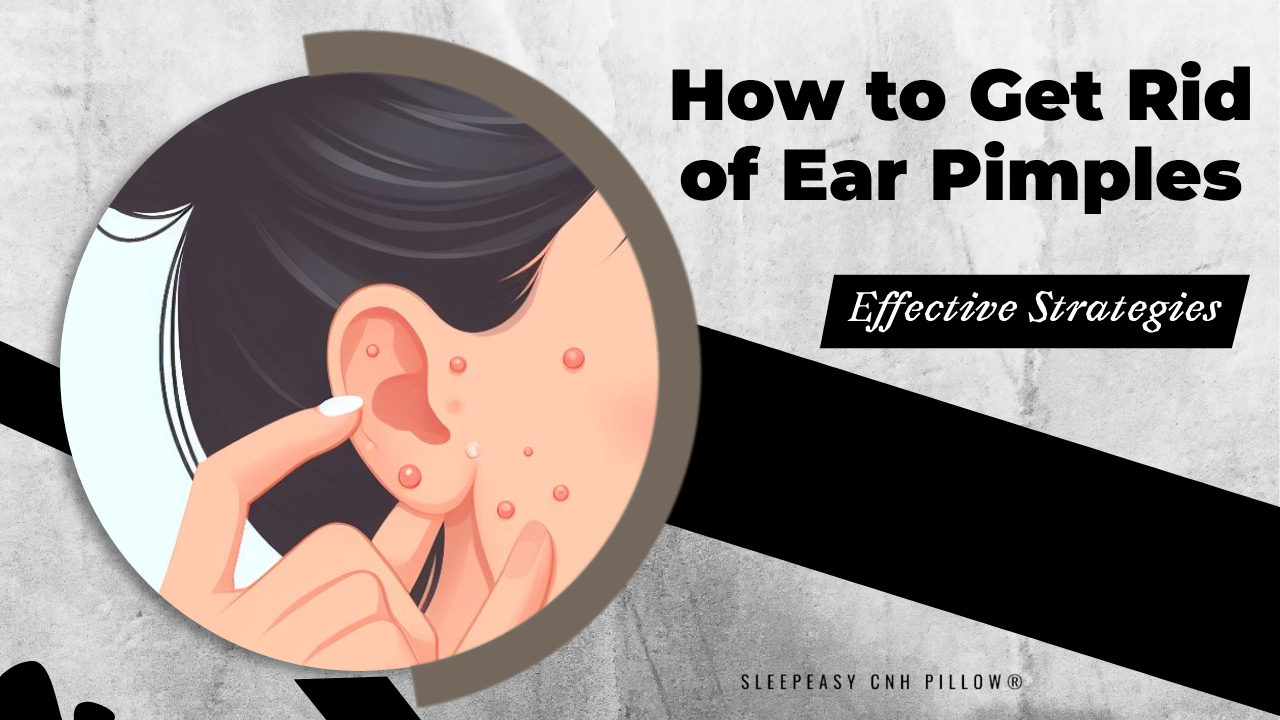
Pimples in the ear are so painful and can be tricky to treat because of their location. If you’re going through this, you might know they often form when pores in the ear become clogged with oil and dead skin, or when bacteria enter small cuts.
Popping or squeezing a pimple in the ear can worsen the infection or cause permanent damage, so it’s important to avoid this. Fortunately, there are effective ways to address them. Simple home treatments like applying a warm compress can help reduce inflammation and encourage the pimple to drain naturally, while keeping the ear clean. So, in this guide, we’ll explore the main causes, effective treatments, and preventive measures in detail so you can get relief safely and avoid recurring ear pimples.
Key Points
-
Ear pimples can be caused by clogged pores, bacteria, moisture, irritation from products or jewelry, hormonal changes, dirty pillowcases, friction, and diet.
-
These ear pimples can be treated with prescription creams, oral medications, or cyst removal, while keeping bedding clean prevents infection.
-
Mild ear pimples can be soothed with warm compresses, gentle cleansing, and keeping the ear dry to reduce irritation and swelling.
-
Ear piercings can increase pimples if bacteria enter the site, but using a clean ear piercing pillow helps prevent irritation and breakouts.
What Causes Pimples in the Ear?
Understanding what causes pimples in the ear can help prevent future breakouts. Here are some common culprits:
-
Blocked Pores from Earwax Overload
Earwax isn’t just for protecting your ears—it can also be a culprit behind ear pimples. When too much earwax builds up, Excess earwax traps dead skin, oil, and bacteria, creating an environment for pimples on the ear to develop. -
Bacterial Transfer from Dirty Hands & Objects
Touching your ears frequently or using unclean earbuds and phone screens can introduce bacteria, leading to acne flare-ups. Using an easy sleeper pillow with a clean, breathable fabric cover can help minimize contact with dirt and oil, reducing breakouts. -
Moisture Trap: The Hidden Danger of Wet Ears
After swimming or showering, moisture left in the ears creates an ideal environment for bacteria, increasing the chances of pimples in the ear. -
Irritation from Hair & Skincare Products
Hair sprays, gels, or even shampoos can leave behind residues that clog pores in and around the ears, triggering breakouts. -
Jewelry & Metal Sensitivities
Cheap or low-quality earrings can cause allergic reactions and skin irritation, leading to inflammation and pimple formation, especially on the earlobe. -
Hormonal Imbalances: More Than Just Facial Acne
Just like facial acne, hormonal fluctuations from puberty, stress, or medications can cause pimples on the ear. -
Pillowcases & Helmets: The Unseen Culprits
Dirty pillowcases, hats, and helmets harbor sweat, oil, and bacteria, transferring them to your ears while you sleep or work out. -
Friction from Headgear & Habits
Wearing tight headbands, ear muffs, or frequently rubbing your ears can cause skin irritation and clogged pores, leading to pimples. - Diet & Hydration: Your Skin’s Fuel
A diet high in processed foods, sugar, and dairy can increase oil production and inflammation, making your skin more acne-prone—even in the ears! Not drinking enough water can also affect skin health.
By addressing these overlooked causes, you can reduce breakouts and keep your ears pimple-free.
Buy a Sleep Easy Pillow to help prevent painful ear pimples
What Are the Most Common Pimple Types in the Ear?
Pimples in the ear can appear in different forms depending on their cause and severity. Understanding the type of pimple you’re dealing with can help determine the most effective treatment and prevent further irritation. Here are the most common types:
Whiteheads
Small, raised bumps with a white tip caused by clogged pores and trapped oil.
Blackheads
Open pores filled with debris and sebum, appearing darker due to oxidation.
Papules
Red, tender bumps without pus, often caused by irritation or bacterial infection.
Pustules
Inflamed pimples filled with pus, usually painful and more prone to infection.
Cysts
Deep, firm lumps under the skin, often larger than regular pimples and sometimes recurring.
Boils (Furuncles)
Painful, pus-filled lumps caused by bacterial infection that can spread if untreated.
Why Can't You Pop an Ear Pimple?
Popping an ear pimple can push bacteria deeper into the ear canal, increasing the risk of infection and inflammation. The delicate skin inside the ear can also get damaged, which may lead to scarring or more painful pimples. It’s always safer to use gentle treatments like warm compresses or topical remedies instead.
Prevention: Keeping Ear Pimples at Bay
Preventing ear pimples is a key aspect of maintaining ear health:
- Maintain Proper Ear Hygiene: Regularly clean the outer ear with a gentle, damp cloth. Avoid inserting cotton swabs or other objects deep into the ear canal, as this can push debris and bacteria further inside.
- Avoid Excessive Moisture: Minimize exposure to excess moisture, as it can create a conducive environment for bacterial growth. Dry your ears thoroughly after water activities or showers.
- Allergy Management: If allergies contribute to ear canal inflammation and pimples, consult with an allergist to identify and manage your triggers.
- Hormonal Balance: Hormonal changes can affect ear pimple development. Ensure a healthy lifestyle, balanced diet, and good hydration to help manage hormonal fluctuations.
How to Get Rid of Ear Pimples Overnight?
While it’s difficult to completely eliminate an ear pimple in just one night, certain steps can help reduce swelling, redness, and discomfort quickly. Applying a warm compress for 10–15 minutes can encourage natural drainage and relieve pain.
Using a small amount of antibacterial cream recommended by a doctor can help control infection and speed up healing. It’s important to avoid touching or popping the pimple, as this can worsen inflammation or cause further infection.
What Are the Most Common Treatments for Getting Rid of Ear Pimples?
While mild cases may improve with home care, stubborn or recurring pimples often require professional treatments. Here are the most common medical treatments for ear pimples:
Topical Prescription Creams
Doctors may recommend antibiotic or anti-inflammatory creams applied directly to the affected area. These creams help reduce bacteria, swelling, and redness quickly. Using prescription-strength creams is often safer than over-the-counter options, especially for pimples deep inside the ear canal.
Oral Medications
For severe or recurring pimples, oral antibiotics or anti-inflammatory medications may be prescribed. These target the infection from within and help reduce pain, swelling, and the risk of complications. Oral treatments are particularly useful if the pimple is caused by a bacterial infection that cannot be fully reached with topical creams.
Professional Drainage
In some cases, a dermatologist or ENT specialist may perform professional drainage. This involves carefully opening and draining the pimple under sterile conditions to relieve pain and prevent further infection. Never attempt to drain an ear pimple at home, as this can worsen the infection and lead to scarring.
Ear Canal Cleaning
A professional ear canal cleaning can remove excess wax, debris, and trapped bacteria, which are common contributors to ear pimples. Regular cleaning under medical supervision can prevent future infections. It’s worth noting that dirty pillows cause ear infection by harboring bacteria, which can worsen pimples if the ear comes into contact with unclean bedding. Maintaining clean bedding and pillowcases helps reduce this risk.
Cyst or Boil Removal
Deep or recurring pimples can sometimes develop into cysts or boils. In these cases, a minor surgical procedure may be necessary to remove the lump completely. This ensures proper healing and reduces the chance of the pimple returning.
What Are the Best Home Remedies for Pimples in the Ear?
For mild ear pimples, gentle home remedies can help reduce inflammation and promote healing without medical intervention. These remedies focus on soothing the skin, reducing bacteria, and preventing further irritation.
1. Warm Compress
-
Soak a clean cloth in warm water and wring out excess moisture.
-
Hold it against the affected area for 10–15 minutes to reduce swelling and promote drainage.
-
Repeat 2–3 times daily for relief.
2. Tea Tree Oil (Natural Antiseptic)
-
Mix one drop of tea tree oil with a teaspoon of coconut or olive oil.
-
Dip a cotton swab in the mixture and gently apply it to the pimple (avoid inserting it deep into the ear canal).
-
Tea tree oil has antibacterial and anti-inflammatory properties that help clear infections.
3. Aloe Vera Gel
-
Apply fresh aloe vera gel directly to the pimple.
-
Leave it on for 15–20 minutes before rinsing with lukewarm water.
-
Aloe vera soothes inflammation, reduces redness, and speeds up healing.
4. Apple Cider Vinegar (ACV) Rinse
-
Mix equal parts of ACV and water.
-
Dip a cotton ball in the solution and gently dab it on the pimple.
-
ACV’s antibacterial properties help dry out pimples and prevent infections.
5. Salt Water Solution
-
Mix 1 teaspoon of sea salt in a cup of warm water.
-
Use a cotton swab to apply the solution to the affected area.
-
Salt water kills bacteria, reduces swelling, and speeds up healing.
6. Witch Hazel (Natural Astringent)
-
Soak a cotton pad in witch hazel and apply it to the pimple.
-
Witch hazel helps shrink pores, reduce oil buildup, and fight bacteria.
7. Garlic Oil (Natural Antibiotic)
-
Crush one garlic clove and mix it with a teaspoon of olive oil.
-
Let it sit for 30 minutes, then strain the oil.
-
Apply a drop of garlic-infused oil around the ear (avoid deep insertion).
-
Garlic has antibacterial and anti-inflammatory properties that can help fight infection.
8. Honey and Turmeric Paste
-
Mix ½ teaspoon of turmeric powder with a few drops of honey to form a paste.
-
Apply it to the pimple and let it sit for 20 minutes before rinsing.
-
Turmeric has anti-inflammatory properties, while honey fights bacteria.
9. Ice Pack for Pain Relief
-
Wrap an ice cube in a thin cloth and hold it against the ear for 5–10 minutes.
-
This helps numb pain, reduce swelling, and soothe irritation.
10. Coconut Oil (Moisturizer & Healer)
-
Apply a small amount of virgin coconut oil to the pimple using a cotton swab.
-
Coconut oil contains anti-inflammatory and antibacterial compounds that help heal pimples faster.
When to See a Doctor?
If the pimple inside your ear is severely painful, swollen, filled with pus, or doesn’t improve within a week, it's best to seek professional care. Read about Dr. Joe Ronald Cannon, a board-certified dermatologist with expertise in dermatopathology, providing comprehensive dermatology services in Abilene, Texas, since 1988.
How Long Does it Take for an Ear Pimple to Go Away?
The duration for an ear pimple to resolve varies depending on the severity and individual factors. With appropriate care, ear pimples typically improve within a few days to a couple of weeks. Seek professional advice if the pimple doesn't improve or worsens.
Are Certain Skin Types More Prone to Ear Pimples?
Yes, some skin types are more susceptible to pimples in the ear. People with oily or combination skin tend to produce more sebum, which can clog pores in the ear canal or on the earlobe.
Dry or sensitive skin can also develop pimples if irritation occurs from scratching, earwax buildup, or friction. Understanding your skin type can help in choosing the right cleaning habits and preventive measures to avoid painful ear pimples.
Can Ear Piercings Increase the Risk of Pimples in the Ear?
Absolutely. Ear piercings create tiny wounds in the earlobe or cartilage, which can become entry points for bacteria. Improper cleaning, touching the piercing with dirty hands, or using contaminated earrings can lead to pimples or infections around the piercing site. Using a clean, supportive ear piercing pillow while sleeping can reduce pressure and friction on the piercing, helping prevent irritation and pimples from forming during the healing process.
Tips for Managing Ear Pimples
Dealing with ear pimples can be uncomfortable, but the right approach can help speed up healing and prevent future breakouts. Here are some practical tips to manage and reduce ear pimples effectively:
1. Keep Your Ears Clean
-
Gently clean your outer ear with a damp cloth.
-
Avoid inserting cotton swabs, fingers, or sharp objects into the ear canal, as they can push bacteria and debris deeper.
-
Use a mild, fragrance-free cleanser to remove excess oil and dirt from around your ears.
2. Use an Ear Hole Pillow for Comfortable Sleep
-
If the pimple is painful, sleeping on a soft foam pillow with a hole can reduce pressure and discomfort.
-
This prevents irritation and allows the pimple to heal faster.
3. Avoid Excess Moisture
-
After showers, swimming, or sweating, gently dry your ears with a clean towel.
-
Avoid prolonged exposure to humid or sweaty environments, as trapped moisture can lead to bacterial growth.
4. Apply a Warm Compress
-
A warm, damp compress placed on the ear for 10-15 minutes can reduce inflammation and encourage the pimple to drain naturally.
-
Repeat 2-3 times daily for best results.
5. Use Over-the-Counter Treatments
-
Salicylic acid or benzoyl peroxide can help dry out and heal pimples.
-
Tea tree oil (diluted with a carrier oil) has natural antibacterial properties and can be applied with a cotton swab.
6. Maintain a Healthy Diet
-
Eating a balanced diet with vitamins A, C, and E supports healthy skin.
-
Drinking plenty of water helps flush out toxins and reduce breakouts.
7. Avoid Touching or Picking at Pimples
-
Touching your ears frequently can spread bacteria and worsen breakouts.
-
Picking at pimples can cause scarring, infection, or delayed healing.
8. Keep Hair and Products Away from Your Ears
-
Hair products like gels, sprays, and dyes can clog pores and trigger ear pimples.
-
Keep your hair clean and away from your ears to prevent oil buildup.
9. Protect Your Ears from Irritants
-
Avoid using unclean headphones, earbuds, or phone screens that touch your ears.
-
Clean these items regularly with alcohol wipes to reduce bacteria transfer.
10. Know When to See a Doctor
If an ear pimple is severely painful, swollen, filled with pus, or doesn’t improve after a week, consult a dermatologist. You may need antibiotics or professional drainage for faster healing.
By following these tips, you can effectively manage and prevent ear pimples, ensuring healthy and irritation-free ears!
Conclusion
Ear pimples can be painful and frustrating, but with the right care, they can be effectively treated and prevented. By maintaining proper hygiene, avoiding irritants, and using targeted remedies, you can keep your ears clear and healthy. Knowing how to pop pimples in the ear safely means understanding the risks involved. While it may be tempting to squeeze an ear pimple, it's always best to opt for safer, doctor-approved treatment methods. Following proper hygiene, avoiding irritants, and using the right treatments can help keep your ears acne-free and healthy!
Frequently Asked Questions
Is it safe to pop a pimple in my ear?
No, popping it can lead to infection and swelling. Use a warm compress instead.
Why do ear pimples bleed so much?
The ear has many blood vessels, so even small pimples can bleed heavily when popped.
How long do ear pimples last?
Mild pimples heal in a few days to a week, while severe ones may take two weeks or more.
Is it okay to pop an ear pimple?
No, it can worsen the infection. Let it heal naturally or seek medical advice if needed.
Pimple in ear canal: What to do?
Avoid touching or squeezing it.
Apply a warm compress for relief.
Keep the area clean and dry.
Consult a doctor if it is painful or persistent.
Can I pop a blind pimple with a needle?
No, this can cause infection and scarring. Use warm compresses and acne treatments instead.
Does ice help blind pimples?
Yes, ice reduces swelling and pain, but warm compresses work better for healing.
How to Get Rid of Pimples in the Ear Canal?
For pimples deep in the ear canal, use a warm compress to reduce swelling and consult a doctor for antibacterial creams or professional drainage if needed. Avoid touching or popping to prevent infection.
How to Get Rid of Pimples in the Earlobe?
Earlobe pimples can often be treated with gentle cleansing, topical creams, or ice to reduce inflammation. Keep earrings and pillows clean to prevent bacteria buildup and recurrence.