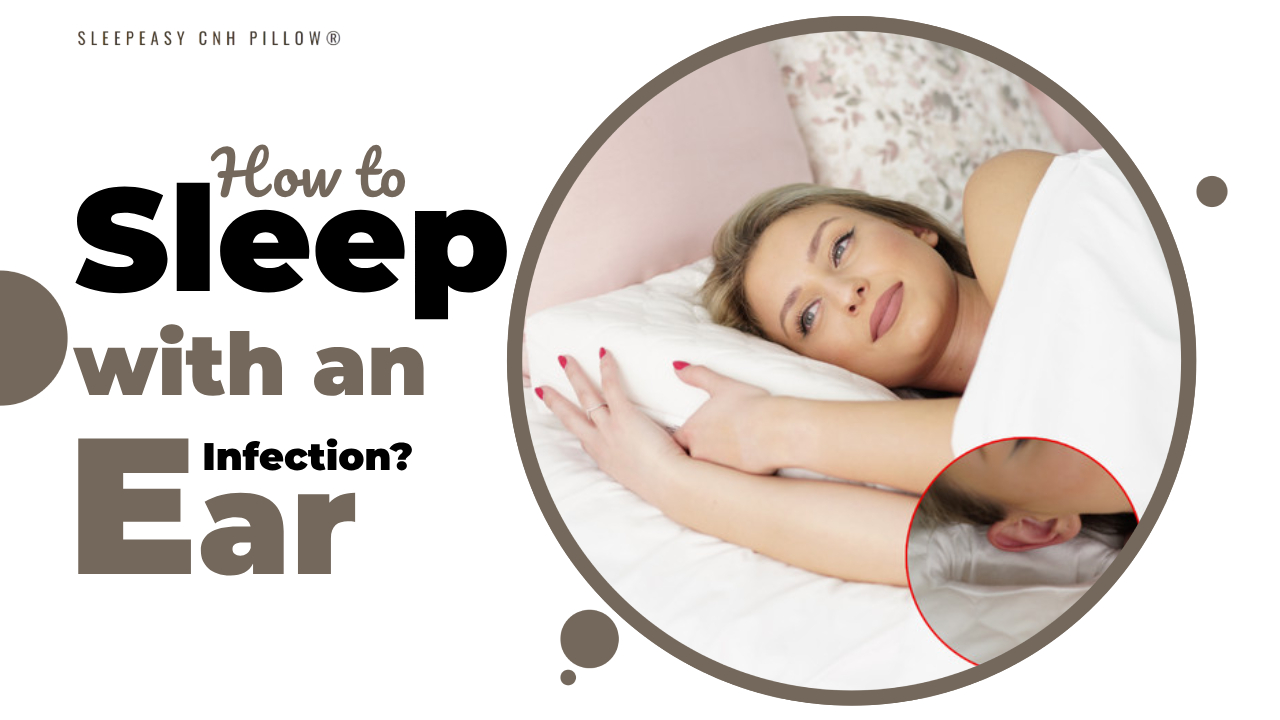
How CNH Pillow helps to Sleep with an Ear Infection?
Jan 24th 2024
Keynotes
- Sleeping with an ear infection can be extremely difficult due to sharp pain, inflammation, pressure buildup, and sensitivity on the affected ear. Even mild infections can interrupt sleep cycles and make it hard to find a comfortable position.
- Improving sleep requires more than just medication — it involves proper sleep posture, reducing ear pressure, and creating a healing-friendly environment. Elevating your head, choosing the right position, using warm compresses, and maintaining a calming bedtime routine all contribute to better sleep.
- One of the most effective modern solutions is using an ear pillow with a hole. This innovative CNH pillow prevents pressure on the affected ear, reduces pain when lying down, and promotes better drainage — making restful sleep possible even during infection. If symptoms persist or worsen, always seek professional medical advice for proper diagnosis and treatment.
- Managing an ear infection can be uncomfortable, especially when it disrupts your ability to get quality sleep. In this updated guide, we’ll walk you through effective methods and practical tips to help you sleep better with an ear infection. From understanding how ear pain affects your rest to using supportive sleep tools and knowing when to seek medical care, this guide provides everything you need for a more comfortable night.
Dealing with an ear infection can be challenging, especially when it comes to achieving a restful night's sleep. In this comprehensive guide, we'll explore various strategies and practical tips on how to sleep with an ear infection. From understanding the impact of ear infections on sleep to incorporating lifestyle changes and seeking medical advice, we've got you covered.
Causes of Ear Infections
Bacterial and Viral Pathogens
Ear infections commonly develop when harmful bacteria such as Streptococcus pneumoniae or viruses linked to the common cold, flu, or seasonal infections invade the middle ear. These pathogens trigger inflammation, pain, and fluid buildup behind the eardrum.
Persistent Fluid Retention in the Middle Ear
After a cold, flu, or upper respiratory infection, fluid may remain trapped in the middle ear. When this fluid doesn’t drain properly, it becomes a breeding ground for infection, increasing the chances of developing acute otitis media.
Allergic Reactions and Inflammation
Seasonal allergies, dust mites, pet dander, and other allergens can cause swelling of the nasal passages and Eustachian tubes. This inflammation can block normal drainage, raising the risk of ear pain and secondary infections.
Sinus and Upper Respiratory Infections
Sinus congestion or infections can spread toward the ears due to interconnected air passages. When inflammation travels from the sinuses to the Eustachian tubes, it can create pressure imbalances and lead to ear infections.
Eustachian Tube Dysfunction (ETD)
When the Eustachian tubes fail to open or close properly, pressure builds up in the middle ear. This blockage prevents fluid drainage, making the environment more prone to bacterial or viral infection. ETD is often triggered by colds, allergies, or sudden changes in air pressure.
Age-Related Anatomical Factors
Children face a higher risk because their Eustachian tubes are shorter, narrower, and more horizontal compared to adults. These anatomical differences make it easier for fluid to get trapped and infections to develop. Structural variations in adults—such as enlarged adenoids or chronic nasal issues—can also contribute.
Environmental and Lifestyle Factors (Updated Addition)
Modern studies highlight that exposure to cigarette smoke, pollution, bottle-feeding while lying flat, and frequent daycare attendance can increase infection risk by introducing more pathogens and irritants.
Understanding the Impact of Ear Infections on Sleep
Ear infections significantly interfere with healthy sleep patterns because of the intense pressure, inflammation, and heightened sensitivity inside the ear. When the middle ear fills with fluid or becomes swollen, even minor changes in head position can amplify discomfort. This often makes lying down more painful, as gravity increases pressure on the infected ear, causing sharper or pulsating pain during the night.
Sleep disruption is also common due to intermittent pain spikes, reduced hearing clarity, nighttime restlessness, and increased sensitivity to noise. In some cases, the infection triggers low-grade fevers or irritability, which further contributes to difficulty falling or staying asleep.
For both children and adults, finding a comfortable sleeping posture becomes challenging. The discomfort often worsens when sleeping on the affected side or lying flat, making it essential to adopt supportive strategies—such as elevating the head, using pressure-relieving pillows, or adjusting sleep positions to alleviate nighttime pain and improve sleep quality.
Tips for Sleeping Comfortably with an Ear Infection
1. Use Proper Elevation Techniques
Keeping your head raised helps reduce pressure and encourages fluid drainage from the middle ear. Instead of simply stacking pillows, use a wedge pillow, an adjustable bed, or a recliner to maintain stable elevation throughout the night. This technique can reduce throbbing and ease nighttime discomfort.
2. Select the Optimal Sleeping Position
Avoid sleeping on the infected ear, as pressure increases pain. Most people find relief by sleeping on the opposite side or reclining slightly on their back. For children, ensure their head remains slightly elevated and supported to prevent rolling onto the painful ear.
3. Modern Pain and Symptom Management
Before bedtime, consider doctor-approved pain management options. Over-the-counter pain relievers like acetaminophen or ibuprofen can help minimize inflammation, making it easier to fall asleep. For severe infections, follow your healthcare provider’s guidance on prescribed medications or ear drops. Avoid inserting anything into the ear unless specifically advised.
4. Apply a Safe Warm Compress
Using a warm (not hot) compress on the affected ear for 10–15 minutes before sleep can soothe nerve pain and reduce localized stiffness. Gentle warmth improves circulation and eases tension—helping the body relax enough for restful sleep.
5. Build a Calming Sleep Routine
A consistent nighttime routine helps the body shift into rest mode, especially when discomfort is present. Consider:
- Light stretching
- Deep breathing exercises
- Meditation or guided relaxation
- Listening to soft music or white noise
- Limiting screen use at least 30 minutes before bed
This reduces stress, promotes melatonin production, and makes it easier to tolerate mild ear discomfort.
6. Keep the Sleep Environment Supportive
A restful bedroom plays a major role in sleep quality during an ear infection. Ensure the room is:
- Cool and well-ventilated
- Low in noise or equipped with white-noise support
- Dim or dark, using blackout curtains if needed
- Comfortable, with soft pillows and breathable bedding
Small changes can reduce irritability and help the brain settle despite discomfort.
7. Stay Hydrated Throughout the Evening
Proper hydration can thin mucus, ease congestion, and support Eustachian tube function. Warm herbal teas (non-caffeinated) before bed can also provide mild soothing effects.
8. Avoid Irritants Before Bed
Smoke, strong fragrances, and allergens can worsen inflammation in the nasal passages and Eustachian tubes. Keeping the air clean and using a humidifier may help reduce nighttime irritation.
Innovative Solutions: Using an Ear Pillow with a Hole
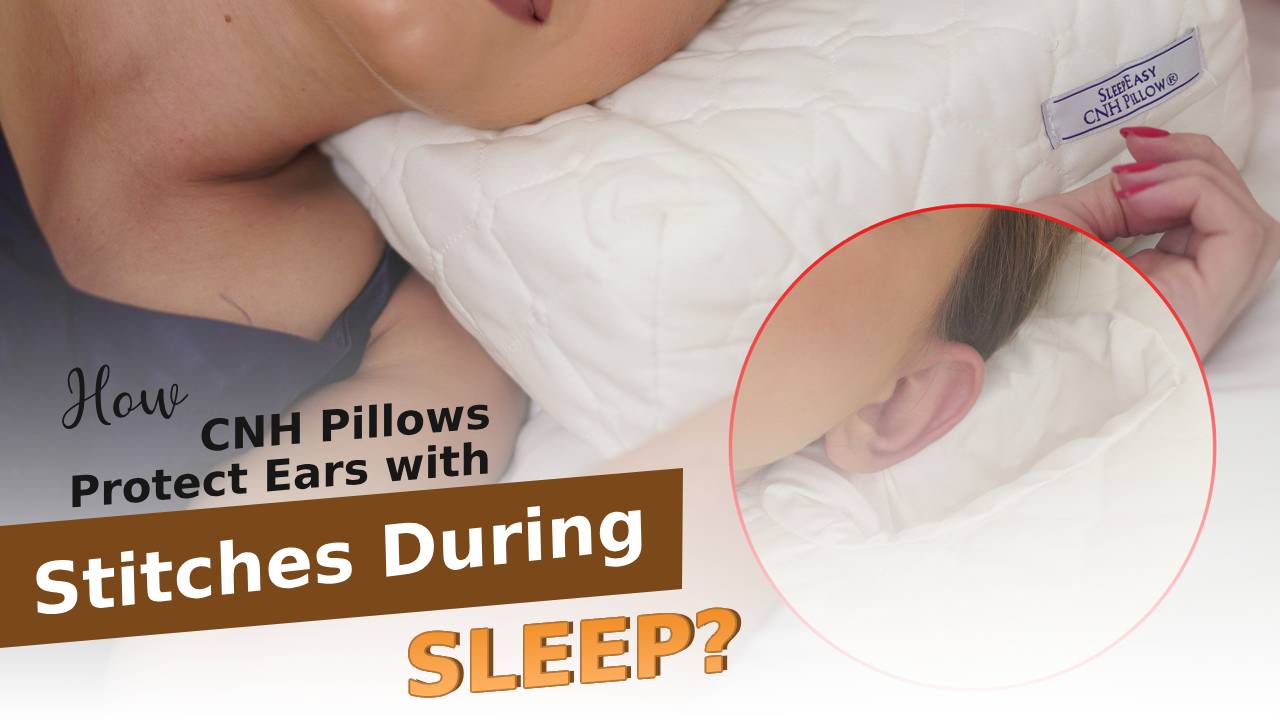
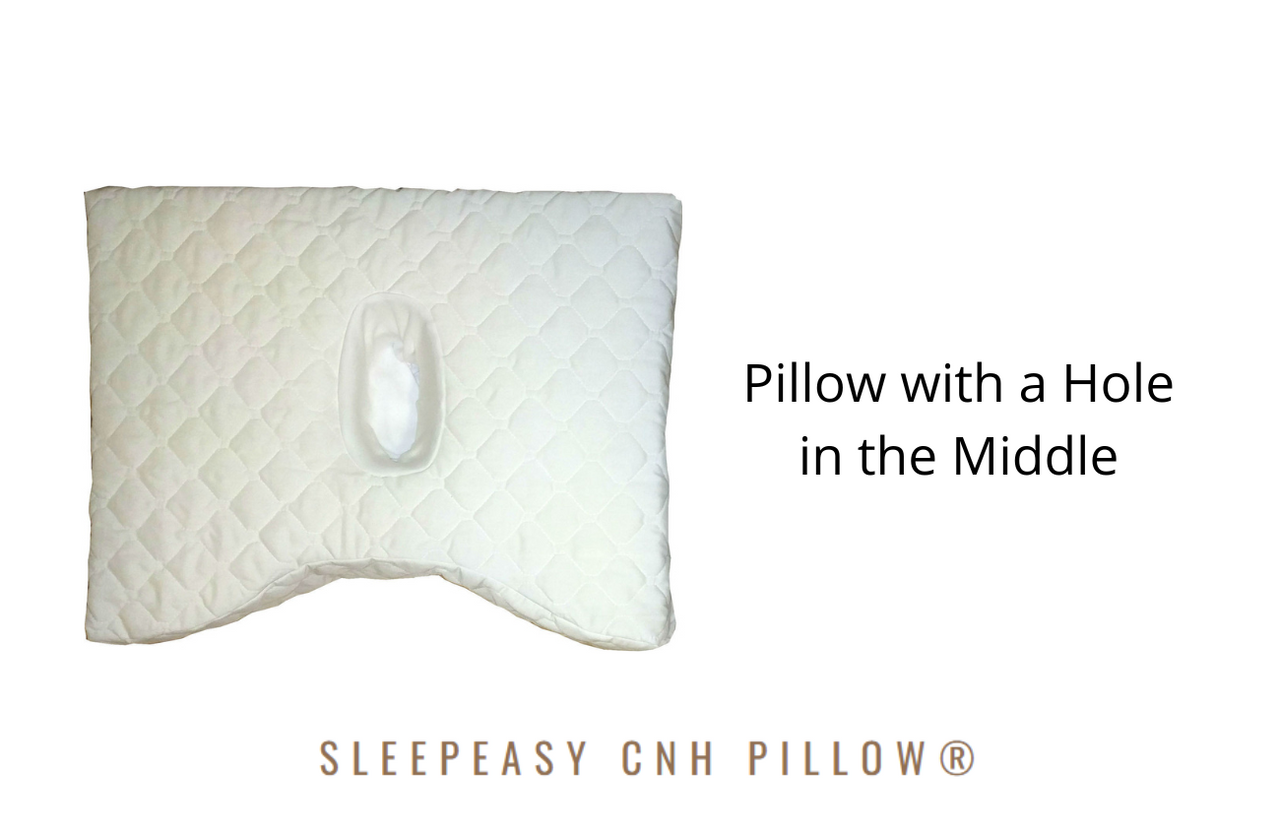
One of the most effective modern comfort solutions for managing nighttime ear pain is the use of an ear pillow with a hole, also known as a donut-style ear pillow. This specialized pillow is designed to prevent direct pressure on the affected ear while maintaining proper head and neck alignment. Suspending the ear through the center opening reduces friction, irritation, and pressure that can trigger sharp pain when lying on your side.
Unlike regular pillows, the ear pillow’s ergonomic structure supports both sleep comfort and healing by promoting better airflow around the ear, minimizing contact with sensitive tissue, and preventing disruption of dressings or medical treatments. Incorporating this type of pillow into your sleep routine can significantly improve nighttime comfort, helping you rest more deeply and recover more effectively from an ear infection, ear surgery, or skin conditions affecting the ear.
If ear infection symptoms continue, intensify, or begin to interfere with daily functioning or sleep, it’s important to consult a healthcare professional promptly. Persistent pain, ongoing fluid drainage, fever, or hearing difficulties may indicate a more serious infection that requires targeted treatment. A qualified provider can perform an accurate examination, identify the root cause, and recommend the most effective treatment plan—whether that involves antibiotics, anti-inflammatory medications, or specialized ear drops.
Early medical guidance not only prevents complications but also ensures you receive personalized strategies to manage nighttime discomfort, protect your hearing, and support faster recovery.
- Seeking Medical Advice: If the ear infection persists or worsens, it's crucial to seek professional medical advice. A healthcare provider can determine the underlying cause of the infection, prescribe appropriate medications, and offer tailored recommendations for managing sleep discomfort.
Lifestyle Changes That Support Faster Healing
1. Prioritize Hydration for Recovery
Staying well-hydrated helps your body manage inflammation, thin mucus, and maintain proper immune function. Consistent hydration also reduces the risk of dehydration—especially important if you’re taking medications that may cause dryness or fluid loss. Drinking water, warm herbal teas, and broths can support overall healing and comfort.
2. Minimize Exposure to Irritants
Environmental irritants can worsen inflammation and prolong recovery. Avoid cigarette smoke, heavy perfumes, chemical fumes, and common allergens like dust or pet dander. Keeping your air clean, using a purifier, or maintaining good ventilation can significantly reduce ear pressure and nighttime discomfort.
3. Practice Safe and Gentle Ear Care
Handle the ear with care during recovery. Avoid inserting cotton swabs or any objects into the ear canal, as this may cause irritation or push debris deeper. If needed, gently clean only the outer ear using a warm, damp cloth or a mild saline solution. Follow any care instructions provided by your healthcare professional, especially if ear drops or dressings are part of your treatment plan.
Conclusion
Sleeping comfortably with an ear infection often requires a thoughtful blend of lifestyle adjustments, targeted pain relief, and timely medical support. By applying the strategies outlined—such as proper sleep positioning, effective symptom management, and reducing environmental irritants—you can significantly improve nighttime comfort and promote faster healing.
Incorporating innovative tools like an ear pillow with a hole can further enhance your sleep experience by minimizing pressure on the affected ear and reducing irritation during rest. Always remember that persistent or worsening symptoms should be evaluated by a healthcare professional to ensure accurate diagnosis and appropriate treatment.
For deeper understanding and prevention tips, you can also explore our comprehensive guide on whether a dirty pillow can contribute to ear infections.
Frequently Asked Questions
How does the CNH Pillow help with ear pain during sleep?
The CNH pillow for ear pain is specially designed with a pressure-free center to reduce direct contact with the affected ear. This allows you to sleep comfortably on your side while minimizing pain and irritation caused by ear infections.
Can I use a CNH Pillow for sensitive ears or after ear surgery?
Yes, the ear pillow for sensitive ears provides gentle support and prevents pressure on delicate or healing tissue. Its ergonomic design promotes proper alignment and helps maintain comfort throughout the night.
Does the CNH Pillow improve sleep quality for people with ear infections?
Absolutely, by relieving pressure and supporting proper head positioning, the CNH pillow for ear infection reduces nighttime discomfort, helping you fall asleep faster and stay asleep longer, enhancing overall sleep quality.
What makes a CNH Pillow different from a regular pillow?
Unlike standard pillows, the pressure-free ear pillow features a specialized hole or contour that prevents direct ear contact. This innovative design supports drainage, reduces inflammation, and ensures a comfortable sleep experience for those with ear infections.
Can using a CNH Pillow replace medical treatment for an ear infection?
No,. While the CNH pillow for ear pain provides significant relief and ear infection sleeping support, it is not a substitute for professional medical care. If symptoms persist or worsen, consult a healthcare provider for proper diagnosis and treatment.