Ear Pain From Side Sleeping: Causes & Solutions
Posted by Dr. Cannon on Aug 22nd 2022
Many people share this concern; "why does my ear hurt when I lay on it?" and if you have ever woken up with a throbbing or tender ear after a night of side sleeping, you are certainly not alone. Ear pain from sleeping on the side is a surprisingly common issue that affects people of all ages, yet it is often dismissed as something minor or temporary. In reality, the discomfort can range from mild soreness to sharp, persistent pain that disrupts your sleep night after night.
Whether it is caused by prolonged pressure on the ear cartilage, an underlying ear condition, or simply the wrong pillow, understanding what is behind this pain is the first step toward fixing it. In this guide, we will walk you through the most common causes and practical ways to relieve it, so keep reading on.
Key Highlights:
- Ear pain from side sleeping is usually caused by pressure on the outer ear cartilage, poor pillow support, ear piercings, skin irritation, or conditions like Chondrodermatitis Nodularis Helicis (CNH).
- Simple adjustments such as using an ear-cutout pillow, switching sleep positions, improving pillow support, and maintaining ear hygiene can significantly reduce discomfort.
- Persistent symptoms like swelling, discharge, hearing issues, or severe pain may indicate an underlying condition and should be evaluated by a doctor.
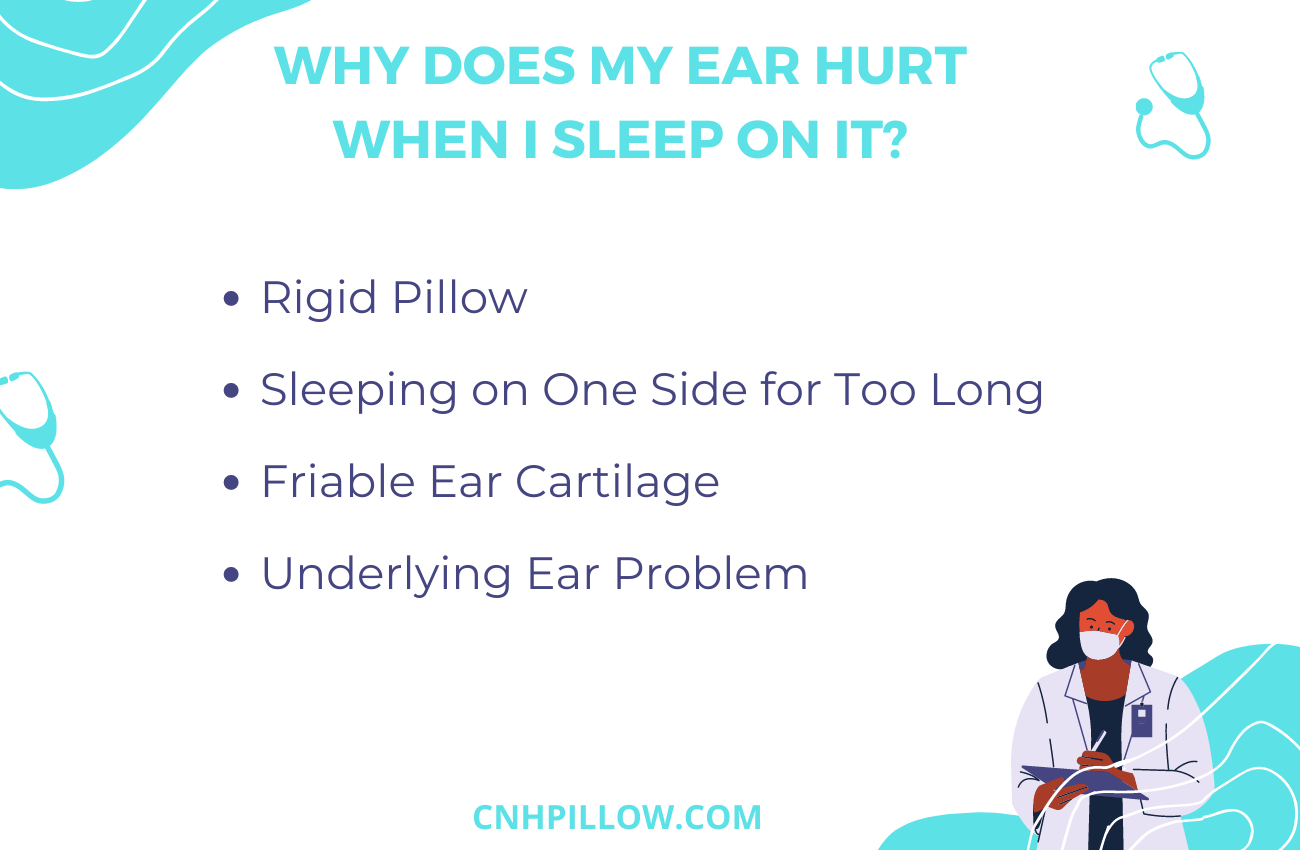
What Causes Ear Pain From Sleeping on the Side?
Before finding a solution, it helps to understand exactly what is causing the pain. Ear pain from sleeping on the side rarely has a single cause — it is usually the result of one or more of the following factors working together.
1. Direct Pressure on the Ear Cartilage
The outer ear is made almost entirely of cartilage covered by a thin layer of skin. Unlike muscles or fatty tissue, cartilage has very little cushioning of its own.
When you sleep on your side, the full weight of your head presses down on this cartilage for hours at a time. This is exactly what most people experience in ear cartilage pain from side sleeping, a dull, persistent tenderness in the outer ear that feels worst right after waking. People with thinner or more prominent ear cartilage tend to be especially susceptible.
2. Pressure on the Ear Canal
The ear canal is a narrow passage that leads from the outer ear to the eardrum. When you press your ear against a firm pillow, the canal can become partially compressed or blocked. This creates a sensation of fullness, pressure, or muffled hearing that many side sleepers mistake for an ear infection. Over time, repeated compression of the ear canal can also increase the risk of outer ear irritation.
3. An Underlying Ear Infection
If your ear pain from sleeping on the side is sharp, throbbing, or accompanied by a feeling of fullness or reduced hearing, there may already be an underlying ear infection at play. Both middle ear infections and outer ear infections can make the ear far more sensitive to pressure. In these cases, even the lightest contact with a pillow can feel intensely painful.
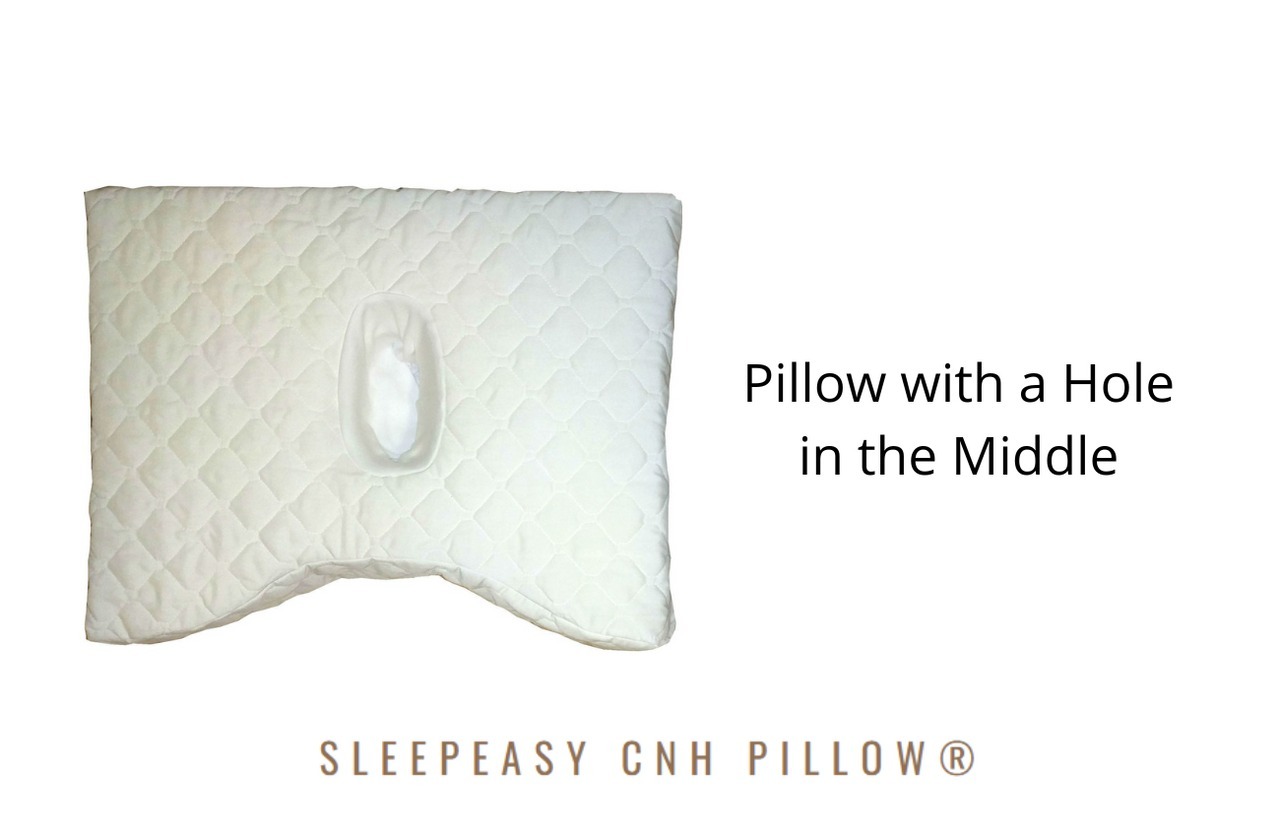
Pillow with a Hole
Experience unparalleled comfort and relief from ear pain with our innovative pillow designed with a hole in the middle. SleepEasy Pillow with Hole in the Middle was conceived and designed by Dr. Cannon in the late 1980s. His source of inspiration was the plight of CNH patients who were side sleepers and couldn’t sleep well.
Pillow with a Hole- 59.99
Buy NowThe solution is to replace your pillow with a soft pillow maybe a pillow with a hole for a few nights and see if the ear pain disappears. If this works, it's great; if not, consult your doctor to see if you have any ear ailment causing this ear pain.
Try SleepEasy Cotton Comfort Pillow for a few nights to get rid of rigid pillow ear pain.

4. Temporomandibular Joint (TMJ) Disorder
The temporomandibular joint sits very close to the ear canal, and inflammation or dysfunction in this joint can radiate pain directly into the ear. Side sleeping can place additional stress on this joint depending on how your jaw is positioned throughout the night, worsening the discomfort by morning.
5. Earwax Buildup
Excessive earwax can create a blockage that increases pressure sensitivity inside the ear. When you sleep on your side, gravity shifts the position of earwax slightly, which can intensify the feeling of fullness or pressure in the ear canal. If you frequently experience ear discomfort alongside muffled hearing, earwax buildup may be a contributing factor worth addressing.
6. Skin Conditions Affecting the Ear
Conditions like eczema, psoriasis, or contact dermatitis can affect the skin of the outer ear and ear canal, making it unusually sensitive to touch and pressure. If your ear skin appears red, flaky, or irritated, a skin condition could be amplifying the pain you experience from side sleeping.
7. Your Pillow
Sometimes the simplest explanation is the most accurate that your pillow might just be too firm. A hard or unsupportive pillow concentrates all pressure directly onto the ear rather than distributing it across a wider surface. Switching to sleep easy pillows designed with soft, contouring materials can make an immediate and noticeable difference, cradling your head gently while keeping the ear free from painful compression throughout the night.
Explore our Sleep Easy Pillows!
8. Ear Piercing and Jewelry
If you have a new or healing ear piercing, side sleeping can cause significant discomfort. Direct pillow pressure against a fresh piercing can lead to soreness, swelling, and delayed healing by repeatedly irritating the surrounding tissue. Even fully healed piercings with certain jewelry styles can dig painfully into the ear when compressed against a pillow throughout the night.
Those with cartilage piercings are especially vulnerable, as this area is slower to heal and more sensitive to pressure. An ear hole pillow is one of the most recommended solutions for pierced side sleepers, keeping all pressure off the ear entirely while you sleep.
How to Relieve Ear Pain From Sleeping on the Side: The 10 Solutions

Ear pain from sleeping on the side is frustrating but often preventable with the right adjustments to your sleep environment and habits. Here are 10 effective strategies to help reduce pressure on your ears and improve your sleep comfort:
1. Use a Pillow with an Ear Cut-Out or Hollow Center
Specialized side sleeper pillows with a built-in ear cut-out or hollow center are designed to take pressure off the ear while still supporting the head and neck. These are particularly helpful if you experience regular soreness or if you have ear piercings or cartilage sensitivity.
Benefits
- Eliminates direct contact between your ear and the pillow.
- Reduces pressure on cartilage and helps prevent inflammation.
- Ideal for CNH or healing piercings.
2. Adjust Your Sleep Position
If you consistently sleep on the same side every night, you might get ear pain regularly. You must know the best sleeping position as it removes all lateral pressure from the ears entirely. You should consider sleeping on the back side. A wedge pillow or an extra pillow beneath your upper back and shoulders can make sleeping more comfortable if you are not naturally accustomed to it.
3. Choose a Soft, Supportive Pillow
A high-quality pillow that balances softness with support can make a big difference. Memory foam or gel pillows that mold to your head’s shape can provide even support without putting pressure on your ear.
Look for
- Medium firmness (not too hard or too flat).
- Contoured or orthopedic designs that cradle the head and neck.
- Breathable materials that keep you cool while you sleep.
4. Use a Donut Cushion or Small Foam Pad
If you’re not ready to switch pillows, placing a small donut cushion or foam pad under your ear can help. These create a “pressure-free zone” by allowing your ear to rest in open space.
Helpful tips
- Position the cushion so your ear sits inside the center.
- Choose a soft, hypoallergenic material for comfort.
- Great for travel or temporary use during flare-ups
5. Adopt Healthy Sleep Habits
Incorporating healthy sleep habits can significantly reduce ear pain caused by skin irritation or discomfort. Especially seniors must ensure that they adopt healthy sleep habits. They should consider tips for healthy sleeping habits and free themselves from factors that contribute to skin issues around their ears. For instance, friction from rough fabrics or detergent buildup on pillowcases can aggravate skin sensitivity, especially if you have conditions like dry skin or eczema.
By focusing on better sleep practices, you can minimize irritation and improve your overall comfort.
Prevention tips
- Maintain a clean and comfortable sleep environment with fresh, soft bedding.
- Use hypoallergenic or silk pillowcases to reduce friction on your skin.
- Keep your ears moisturized with fragrance-free lotions to prevent dryness and irritation.
6. Avoid Earbuds, Headphones, or Pressure Devices While Sleeping
Wearing earbuds, headphones, or sleep aids that press against your ear can cause irritation or pain, especially if worn for long periods. Even low-profile sleep headphones can apply unwanted pressure.
Better alternatives
- Use a white noise machine or speaker instead of earbuds.
- If needed, opt for flat, ultra-thin sleep headphones.
- Make sure nothing is trapped between your ear and the pillow.
7. Protect Healing Piercings
Cartilage piercings can take months to fully heal, and any pressure can delay the process or cause complications. Protecting your ear during sleep is critical, especially during the first 6–12 weeks post-piercing.
Tips for piercing care
- Sleep on the opposite side until healing is complete.
- Use a travel pillow or an ear hole pillow to avoid contact.
- Clean the piercing before and after sleep to prevent infection.
8. Maintain Good Ear Hygiene
Earwax buildup or irritation inside the ear canal can also contribute to discomfort when pressure is applied externally. While outer ear pressure is the main cause, inner ear sensitivity can make pain worse.
Keep ears healthy by
- Gently cleaning your ears with a damp cloth.
- Avoiding cotton swabs, which can push wax deeper.
- Using ear drops or seeing a doctor if you suspect wax blockage.
9. Upgrade to a Supportive Mattress
Your mattress plays a big role in how your pillow supports you. A too-soft or sagging mattress can throw off your head and neck alignment, leading to poor weight distribution and more ear pressure.
What to consider
- Choose a medium-firm mattress for better spinal alignment.
- Avoid mattresses that dip or sink at the shoulders and head.
- Use a mattress topper if your current mattress is too firm.
10. Try Ear Guards or Soft Ear Covers
Soft silicone or foam ear guards can protect your ears from friction and pressure while you sleep. These are especially useful for people recovering from surgery, injuries, or sensitive skin flare-ups.
Benefits of using ear covers
- Cushions the ear without trapping heat.
- Prevents rubbing from rough pillowcases.
- Helps reduce contact for healing conditions or piercings.
Can sleeping on the same side every night permanently damage your ear?
Sleeping on the same side occasionally won’t cause permanent ear damage for most people. However, chronic pressure over time can lead to soreness, inflammation, or skin irritation. People with ear piercings, hearing aids, or pre-existing ear conditions may be more prone to discomfort. Rotating sides or using a soft, supportive pillow can help reduce prolonged pressure and prevent irritation.
Is ear pain from sleeping on the side a sign of something serious?
Most of the time, ear pain from sleeping on your side is not serious and is caused by pressure or minor irritation. However, it could indicate underlying issues if accompanied by:
- Persistent pain
- Hearing loss
- Fluid discharge
- Fever or dizziness
These symptoms may suggest ear infections, fluid buildup, or other ear disorders, and you should see a healthcare professional.
When to See a Doctor?

- Pain Lasts More Than a Few Days: If ear pain persists beyond a few days despite adjustments, it may require medical attention.
- Notice Swelling Around the Ear: Swelling may indicate infection, inflammation, or fluid buildup that needs treatment.
- Discharge or Fluid Leaking from the Ear: Discharge, especially if yellow or bloody, can be a sign of an infection or injury.
- Hearing Issues Develop: Difficulty hearing or a feeling of fullness in the ear could suggest an ear infection or fluid buildup.
- Persistent Lump or Nodule: A hard, painful lump that doesn’t go away could be a sign of CNH or another issue.
- Severe, Sharp, or Throbbing Pain: Intense pain may point to an infection, trauma, or serious ear condition that needs attention.
- Fever with Ear Pain: A fever along with ear pain is often a sign of an ear infection that requires treatment.
- Recent Ear Injury or Trauma: Any injury to the ear could lead to damage that needs prompt medical care.
Conclusion
Ear pain when sleeping on the side is a common issue, but with simple adjustments, it can be alleviated and even prevented. By understanding the underlying causes, such as pressure, poor pillow support, or ear conditions, you can make changes that will help you wake up pain-free. Prioritize comfort, choose the right pillows, and maintain proper ear hygiene for a better sleep experience. To further enhance sleep comfort, especially for seniors, check out the role of pillows in managing insomnia for seniors for helpful insights and tips.
Try out our pillow with a hole for ultimate comfort sleep!
Shop NowFrequently Asked Questions
Can ear pain from side sleeping be prevented?
Yes, using a specialized pillow, alternating sleep positions, or adding a donut cushion can reduce pressure and alleviate discomfort.
How can I treat ear pain caused by sleeping on my side?
Simple remedies include adjusting your pillow, switching sleep positions, using a cushion to relieve pressure, and managing skin conditions around the ear.
Is it safe to sleep on my ear if I have a cartilage piercing?
No, sleeping on a fresh piercing can hinder healing and cause irritation. It’s best to avoid pressure on the piercing until it fully heals.
What kind of pillows can I use to prevent ear pain while sleeping on my side?
Try memory foam or ear-shaped pillows to reduce pressure on your ear. Adjustable water or latex pillows also offer customized support for better comfort.
Can earwax buildup cause ear pain when sleeping on one side?
Yes, excessive earwax can sometimes cause discomfort when pressure is applied to the ear during sleep. Lying on the ear may push wax deeper into the canal, leading to pain or a clogged feeling. If symptoms persist, a healthcare professional can safely remove the buildup.
Why does ear pain feel worse at night when I lie down?
Ear pain can feel more intense at night because lying down changes pressure and blood flow around the ear. This can increase inflammation or pressure inside the ear, especially if fluid is present, making discomfort more noticeable during sleep.
When should I see a doctor for ear pain from sleeping on my side?
You should seek medical advice if the pain lasts for several days, becomes severe, or is accompanied by symptoms such as fever, hearing loss, dizziness, or discharge from the ear. These signs may indicate an infection or another underlying ear condition that needs treatment.