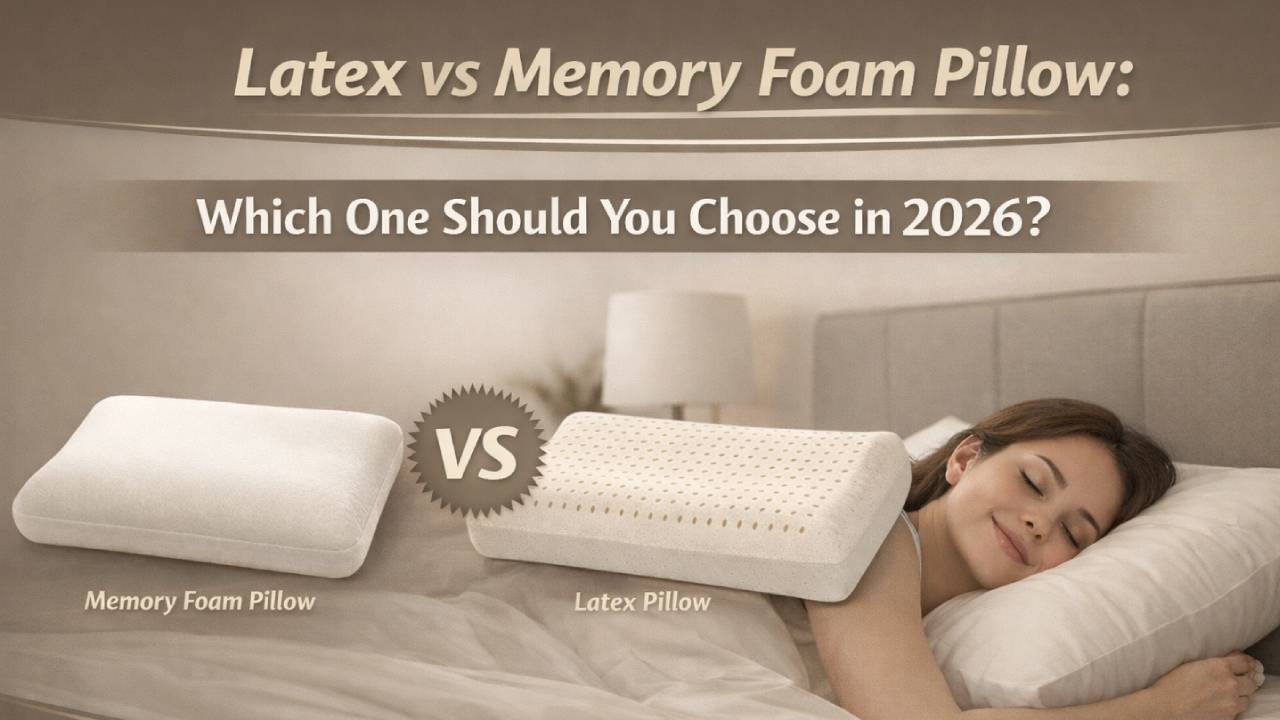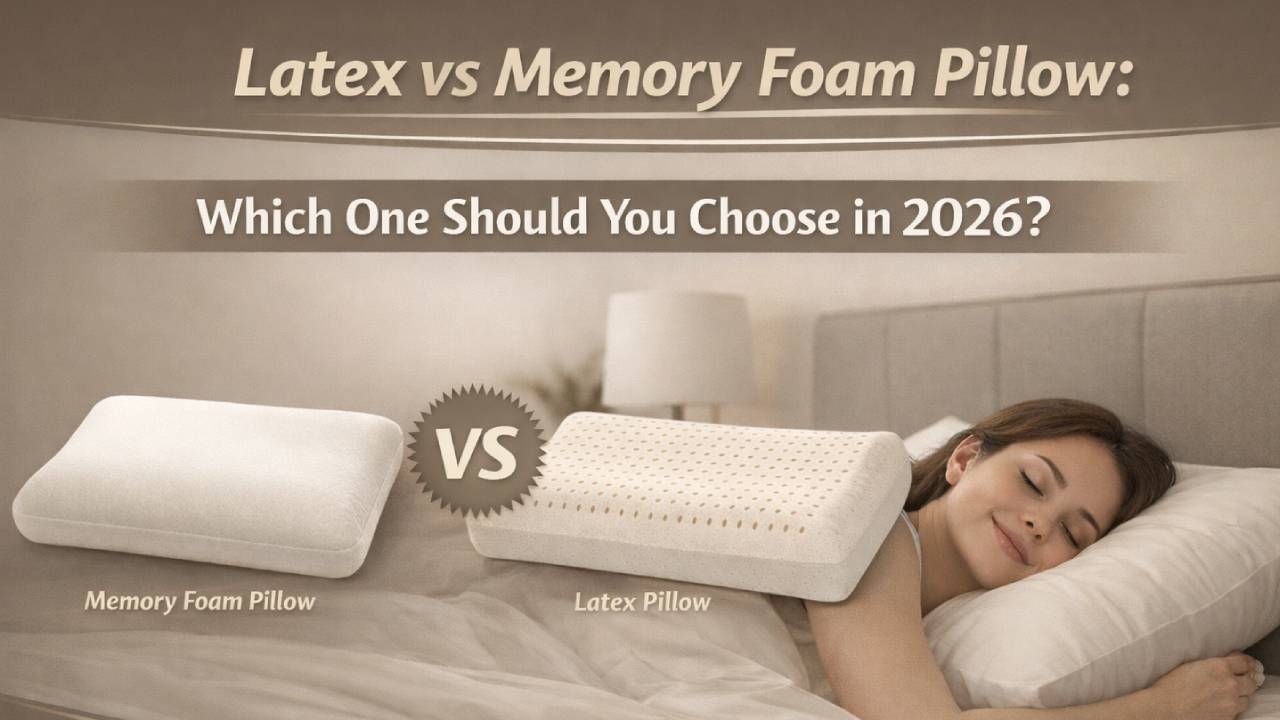
Latex vs Memory Foam Pillow: Which One Should You Choose in 2026?
Feb 20th 2026
Choosing between a latex pillow and a memory foam pillow comes down to understanding their core differences. Latex pillows are made from natural or synthetic rubber and offer a springy, responsive feel with excellent breathability. Memory foam pillows contain viscoelastic polyurethane that molds slowly to your head and neck, providing deep contouring.
Both materials excel at pain relief, but your choice depends on whether you prefer responsive support or conforming cushioning. Understanding these distinctions will help you make an informed decision that transforms your sleep quality. Let's explore the details to find your perfect pillow match.
Key Highlights
- Memory foam pillows contour to your head and neck for pressure relief using temperature-sensitive foam, while latex pillows offer firm, breathable, and bouncy support with long-lasting durability.
- Memory foam pillows are generally more affordable ($30–$150), while latex pillows cost more ($80–$200+) due to greater durability, natural materials, and enhanced breathability.
- For ultimate sleep comfort, memory foam offers deep contouring ideal for side sleepers, while latex provides cooler, longer-lasting, and more supportive performance.
What Is a Memory Foam Pillow?
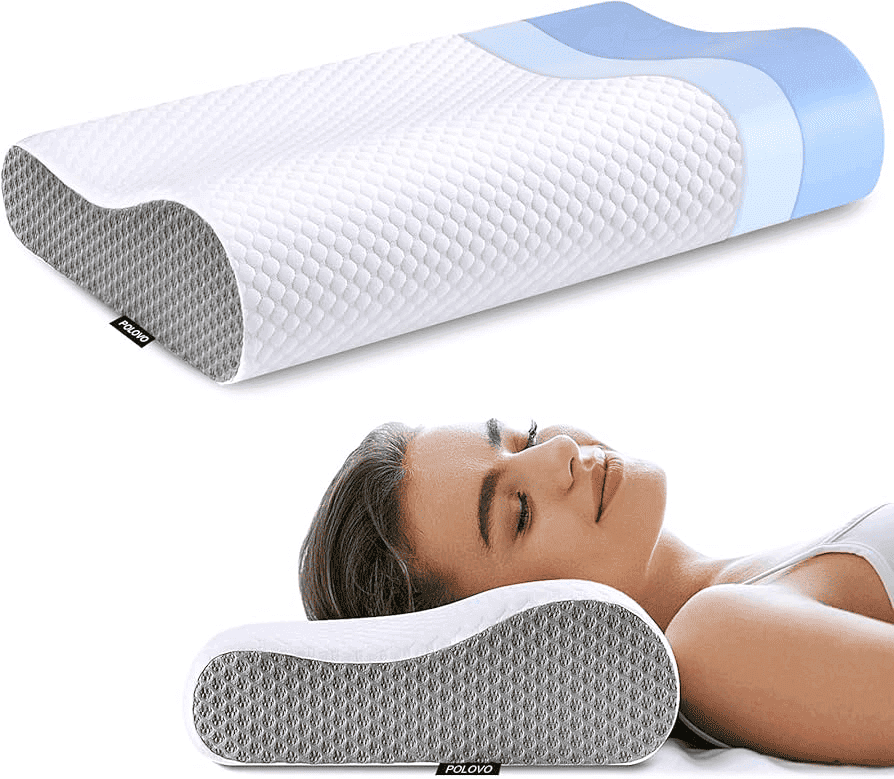
Memory foam is a temperature-sensitive viscoelastic polyurethane originally developed by NASA in the 1960s. The material responds to body heat and pressure, softening to cradle your head and neck in a slow-sinking motion. When you press into memory foam, it takes several seconds to spring back to its original shape. This creates the signature contouring effect that eliminates pressure points by distributing weight across a larger surface area.
Traditional memory foam has a density of 3 to 5 pounds per cubic foot, with higher densities offering better support and durability. Modern versions often include gel infusions, copper particles, or open-cell structures to address heat retention issues. Memory foam excels at pressure relief and works particularly well for side sleepers who need accommodation for their shoulders.
What Is a Latex Pillow?

Latex pillows are made from either natural rubber tree sap or synthetic materials processed through the Dunlop or Talalay method. Natural latex comes from the milky sap of Hevea brasiliensis trees, harvested through tapping without harming the trees. The Dunlop process creates a denser, firmer material, while Talalay produces a lighter, more consistent feel.
The material provides immediate pushback with a bouncy, responsive quality that makes position changes easy. Latex naturally resists dust mites, mold, and bacteria without chemical treatments. These pillows maintain their shape for 5 to 10 years, significantly outlasting memory foam alternatives. The springy support works well for back sleepers, stomach sleepers, and hot sleepers who need breathability.
What Are the Key Differences Between Memory Foam and Latex Pillows?
The main difference between latex and memory foam pillows is how they respond to pressure and support your head. Let's explore their core differences to help you decide which suits your needs.
| Feature | Memory Foam Pillow | Latex Pillow |
|---|---|---|
| Feel | Slow-sinking, contouring, hugging sensation | Responsive, bouncy, supportive pushback |
| Cooling | Sleeps warm; needs gel/cooling tech | Naturally cool with excellent airflow |
| Lifespan | 2-4 years | 5-10 years |
| Support Type | Deep contouring, pressure relief | Responsive support, maintains alignment |
| Best For | Side sleepers, pressure point relief | Back/stomach sleepers, hot sleepers, combination sleepers |
| Price Range | $30-$150 | $80-$200+ |
| Maintenance | Cannot be washed; spot clean only | Cannot be washed; spot clean only |
| Eco-Friendliness | Petroleum-based, non-biodegradable | Natural latex is renewable and biodegradable |
| Odor | Strong chemical off-gassing initially | Mild rubbery scent, dissipates quickly |
| Weight | Lighter | Heavier |
| Allergens | Resistant due to density; may contain chemicals | Natural antimicrobial; avoid if latex allergy |
| Position Changes | Slower, can feel restrictive | Easy, responsive movement |
Price Comparison: Memory Foam vs Latex Pillows
Understanding the cost difference helps you budget appropriately and evaluate true value when comparing latex or memory foam pillow options.
How Much Does Memory Foam Pillows Cost?
- Budget range: $30-$50 (basic density, minimal cooling features)
- Mid-range: $50-$100 (higher density, gel infusion, better construction)
- Premium: $100-$150 (advanced cooling tech, high-density foam, luxury covers)
How Much Does Latex Pillows Cost?
- Synthetic latex: $80-$120 (more affordable, still durable)
- Blended latex: $100-$150 (natural and synthetic mix)
- Natural Dunlop: $120-$170 (dense, durable, eco-friendly)
- Natural Talalay: $150-$200+ (most expensive, superior breathability)
How Are Memory Foam Pillows and Latex Pillows Constructed?
Memory Foam Pillow Construction:
- Polyurethane foam is mixed with chemical additives.
- The material is poured into molds for shaping.
- Heat and pressure expand the foam structure.
- The foam is cooled, cut, and covered with fabric.
Latex Pillow Construction:
- Natural or synthetic latex is extracted or prepared.
- The liquid latex is whipped into a foam.
- The foam is poured into molds and baked.
- The pillow is washed, dried, and covered with fabric.
Which Pillow Is Better for Side Sleepers?
Both materials work for side sleepers, but they provide support differently. Memory foam molds precisely to accommodate your shoulder while supporting the neck, eliminating pressure on the ear and jaw. This makes it ideal for side sleepers with shoulder pain or those who want deep cradling. Latex provides responsive cushioning that maintains loft throughout the night without excessive sinking. It works better for combination sleepers who start on their side but shift positions.
However, side sleepers who experience ear pain from prolonged pressure may need specialized solutions. While standard latex or memory foam pillows address general comfort, our easy sleeper pillow with an earhole provides targeted pressure relief by reducing direct contact with the ear, helping side sleepers maintain proper alignment and enjoy uninterrupted, pain-free sleep.
Shop CNH pillows for better sleep
Which Pillow Is Better for Back Sleepers?
Latex often wins for back sleepers due to its supportive bounce. The responsive nature provides immediate pushback that maintains the natural cervical curve with ears aligned with shoulders.
Medium-loft latex pillows prevent the head from sinking too deeply while supporting the neck properly. Memory foam works well if you want cradling comfort, but avoid excessive loft that pushes your chin toward your chest. Back sleepers who sleep hot should definitely choose latex for its natural breathability.
Which Pillow Sleeps Cooler: Latex or Memory Foam?
Latex sleeps significantly cooler than memory foam. The open-cell structure allows continuous airflow, preventing heat buildup around your head. Talalay latex offers even better breathability than Dunlop.
Many latex pillows include pin-core ventilation holes for additional cooling. Traditional memory foam traps heat due to its dense composition, though modern versions with gel infusions, open-cell structures, or copper/graphite help. Even premium cooling memory foam generally sleeps warmer than latex.
Hot sleepers should choose latex or invest in high-end cooling memory foam with breathable covers.
Which Pillow Lasts Longer?
Latex pillows last 5 to 10 years or more, while memory foam pillows typically last 2 to 4 years. Latex resists breakdown and maintains its shape with minimal sagging. Memory foam gradually loses resilience and creates permanent indentations where your head rests.
Natural latex outlasts synthetic latex, and Dunlop is more durable than Talalay. A $150 latex pillow lasting 8 years costs $18.75 per year, while a $75 memory foam pillow lasting 3 years costs $25 per year, making latex more economical long-term.
Which Pillow Is Better for Neck Pain?
Both materials provide neck pain relief through different mechanisms. Memory foam eliminates pressure points by distributing weight evenly, making it ideal for pain from concentrated pressure, tension headaches, or TMJ issues. Memory foam pillows are good for neck pain especially for people who need contouring support.
Latex pillow provides pain relief through supportive alignment, cushioning pressure points while maintaining firmness for proper spinal positioning. This works better for pain from poor posture or misalignment. If you wake with soreness in specific spots, try memory foam. If you experience stiffness that improves with better posture, choose latex.
Pros and Cons of Memory Foam vs Latex Pillows
| Aspect | Memory Foam Pillows | Latex Pillows |
|---|---|---|
| Pros |
|
|
| Cons |
|
|
Latex Foam vs Memory Foam Pillow: Which Is More Durable?
When comparing latex foam vs memory foam pillow durability, latex clearly dominates. Natural latex pillows can maintain their supportive properties for 5 to 10 years without developing the permanent body impressions that plague memory foam. The resilient rubber structure bounces back night after night, while memory foam's polyurethane cells gradually break down under repeated compression. Heat and moisture accelerate memory foam degradation, causing it to soften and lose support within 2 to 4 years.
Latex or Memory Foam Pillow: Which Offers Better Value?
The latex or memory foam pillow value question depends on your time horizon. Memory foam wins for immediate affordability at $30 to $150, making it accessible for tight budgets or temporary needs. However, latex delivers superior long-term value through exceptional durability and performance retention.
Calculate the true cost per year: a $150 latex pillow lasting 8 years costs $18.75 annually, while a $75 memory foam pillow replaced every 3 years costs $25 per year. Over a decade, you'll spend $187.50 on latex versus $250 on memory foam, plus the hassle of multiple replacements. Latex's natural cooling eliminates the need for expensive cooling technologies that memory foam requires.
For shoppers prioritizing immediate cost savings or planning short-term use, memory foam makes sense. For those who can invest upfront and want years of consistent performance, latex proves more economical despite higher initial prices.
Memory Foam vs Latex Pillow: Which Is Better for Hot Sleepers?
In the memory foam vs latex pillow temperature battle, latex wins decisively for hot sleepers. The open-cell structure of latex creates natural ventilation channels that continuously circulate air around your head and neck. Talalay latex offers even superior breathability than Dunlop through its more uniform cell structure. Pin-core ventilation holes in many latex pillows further enhance cooling performance.
Traditional memory foam traps heat due to its dense, closed-cell composition. The material softens with body heat, creating a warm microclimate that causes many sleepers to wake with sweaty necks. Modern cooling innovations like gel infusions, copper particles, and phase-change materials help, but even premium cooling memory foam generally sleeps warmer than basic latex.
Which One Should You Buy?
Buy a latex pillow if you:
- Sleep hot or experience night sweats
- Want a pillow lasting 5-10 years for better value
- Prefer responsive, bouncy support over deep sinking
- Sleep on your stomach or frequently change positions
- Care about environmental sustainability
- Need natural hypoallergenic properties without chemicals
- Can invest more upfront for long-term savings
Buy a memory foam pillow if you:
- Love deep contouring and a cradling sensation
- Need maximum pressure point relief for specific pain
- Have a limited budget and need immediate affordability
- Sleep primarily on your side with shoulder issues
- Have latex allergies or sensitivities
- Want an affordable option you'll replace in 2-4 years
- Don't mind heat retention or using cooling technologies
For most sleepers, latex offers superior overall value through durability, temperature regulation, and versatility across sleep positions. Memory foam makes sense for budget-conscious shoppers prioritizing immediate affordability and those who specifically crave deep contouring. Take advantage of trial periods to test materials at home before committing.
Conclusion
The latex vs memory foam pillow decision ultimately comes down to your individual sleep needs and priorities. Whether you choose the responsive support of a latex pillow vs memory foam pillow's cradling feel, both materials can significantly improve your sleep quality when properly matched to your sleeping style. Consider your temperature preferences, sleep position, budget timeline, and how each material's unique properties align with your needs to make the best choice for restful, pain-free sleep.
Frequently Asked Questions
Can you wash latex or memory foam pillows in the washing machine?
No, neither latex nor memory foam pillows should be machine washed or fully submerged in water. Water causes irreversible damage to both materials, breaking down the cell structure and potentially leading to mold.
Do latex pillows have a strong smell?
Natural latex pillows have a mild, rubbery or vanilla-like scent when new that comes from the natural rubber material itself.
Can people with allergies use memory foam or latex pillows?
People with environmental allergies can use both materials safely. Memory foam's dense structure resists dust mites, while natural latex inherently repels dust mites, mold, and mildew.
Which pillow is quieter when you move at night?
Memory foam is completely silent when you shift positions. Latex can produce slight rustling or squeaking sounds as you move, though this varies by manufacturer and cover material.
How do I know when to replace my pillow?
Replace your pillow when it no longer springs back to shape after folding it in half, develops permanent indentations or lumps, causes new or worsening neck pain, shows visible signs of wear like tears or discoloration, or has an unpleasant odor that doesn't go away.
Are shredded versions available in both materials?
Yes, both memory foam and latex come in shredded versions. Shredded pillows contain small pieces of foam rather than a solid core, making them more adjustable and breathable.
Can latex or memory foam pillows help with snoring?
Yes, both can help reduce snoring by improving head and neck alignment, which keeps airways more open during sleep.
Which pillow is better for combination sleepers who change positions frequently?
Latex is generally better for combination sleepers due to its responsive, bouncy nature. The material instantly adjusts when you shift positions without the delayed response of memory foam.