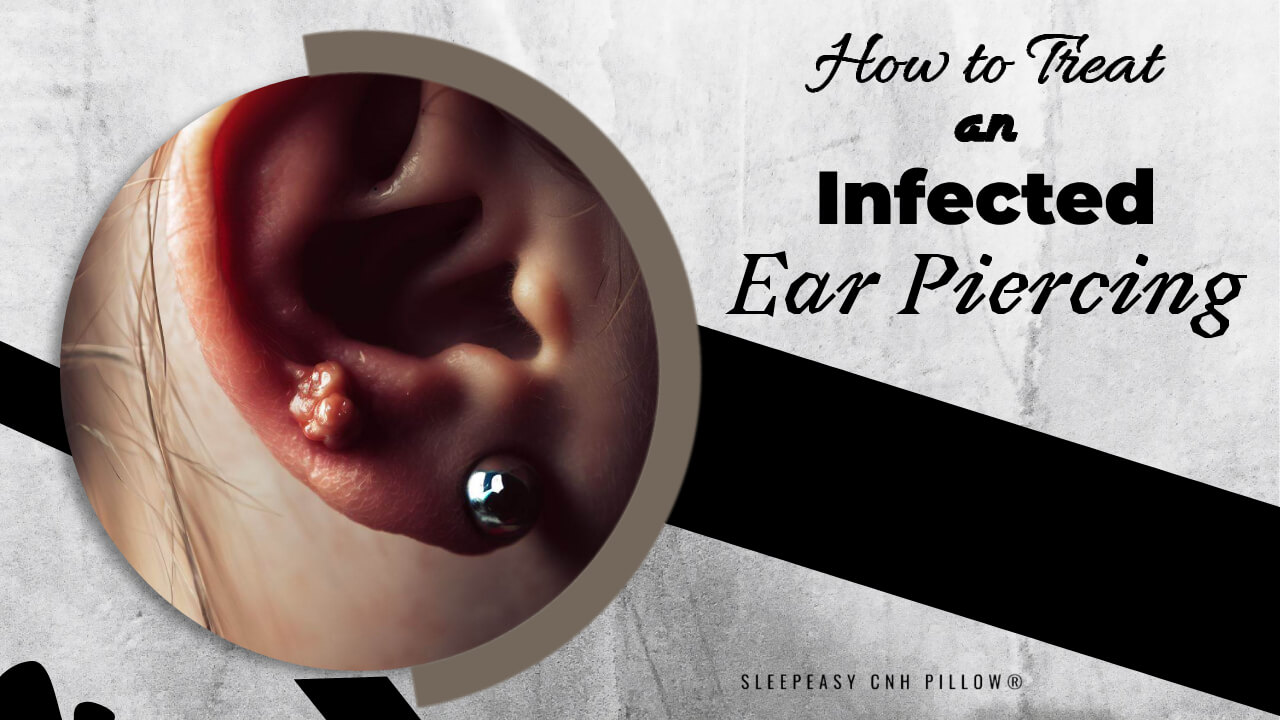
How to Treat Infected Ear Piercing: Symptoms, & Care Tips
Posted by Dr. Cannon on Dec 27th 2022
If you get an ear piercing and it becomes infected, it needs proper care to heal safely. First of all, it's highly suggested consulting your healthcare provider, who can properly assess the infection according to your condition and suggest appropriate antibiotics if needed.
You can care for the infected area by using a properly prepared saline solution and gentle cleaning, avoiding unnecessary touching or twisting of the jewelry. For better healing, avoid sleeping on the affected side and always wash your hands before touching the piercing. If you are wondering how to heal an infected piercing, how to treat a pierced ear infection, or need ear piercing infection treatment steps you can start today, let's get into the details to help you heal faster.
Keynotes
- Some symptoms of an infected ear piercing include redness, swelling, pain, itching, and crusting.
- Take care of an infected ear piercing by gently cleaning, avoiding touching, using doctor-approved ointment, and seeking medical help if needed. Make sure to follow proper professional advice.
- Seek medical help if pain, swelling, or discharge persists, especially for cartilage piercings.
Why do ear piercings get infections?
Ear piercings are open wounds. If a bacteria enters an open wound, it causes infection. Also, since we touch our face and ears frequently, we may get ear piercing infections when we touch our ears with dirty hands.
Caring for your ear piercings can be hard. Ears stay open most of the time and the germs and bacteria in the environment may infect our ears at any time.
If you follow some ear piercing care practices, you can avoid the pain and suffering of ear piercing.
What Are the Symptoms of an Infected Ear Piercing?
An infected ear piercing usually shows clear warning signs that should not be ignored. Common symptoms include:
- Redness and swelling around the piercing site
- Pain or tenderness that worsens instead of improving
- Warmth in the affected area
- Yellow, green, or white pus or discharge
- Itching or burning sensation near the piercing
- Crusting or scabbing around the jewelry
- Difficulty healing or symptoms lasting longer than expected
Types of ear piercing infections
Ear piercing infections can manifest in various forms. Common types include:
Localized Infection: Affects the immediate area around the piercing, causing redness, swelling, and tenderness.
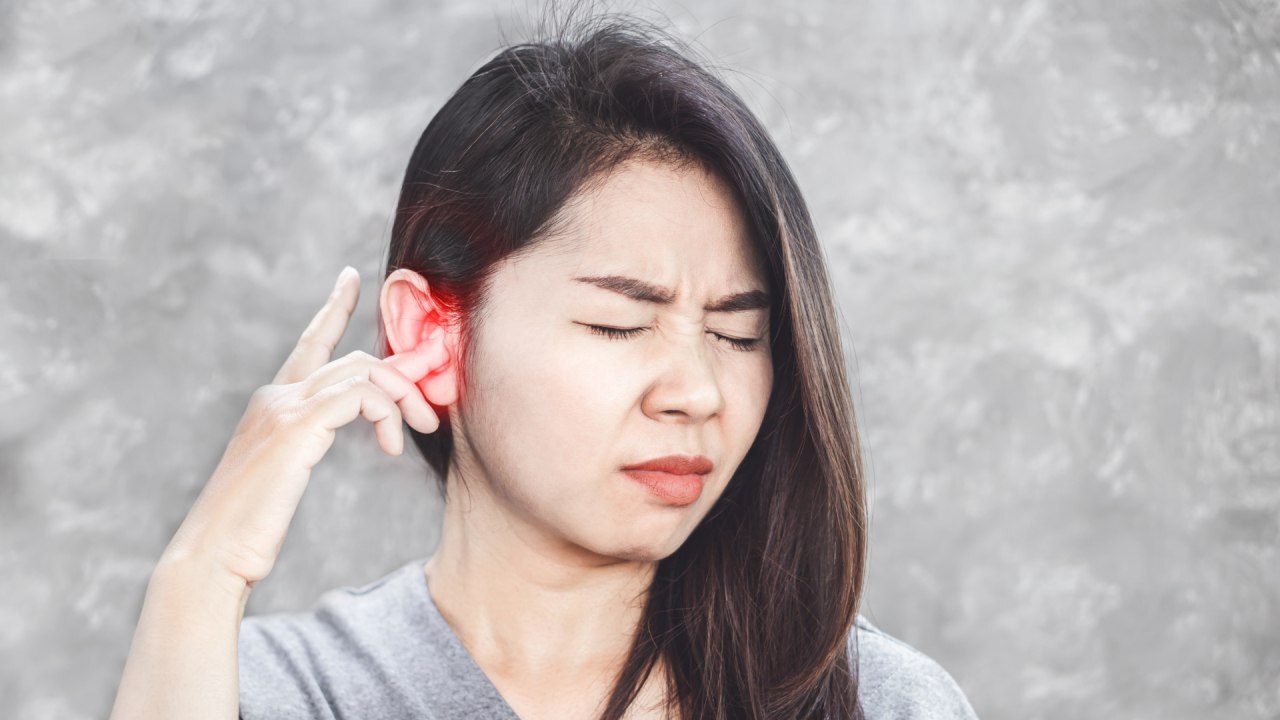
Cellulitis: An infection spreading to surrounding tissues, leading to increased redness, warmth, and pain.
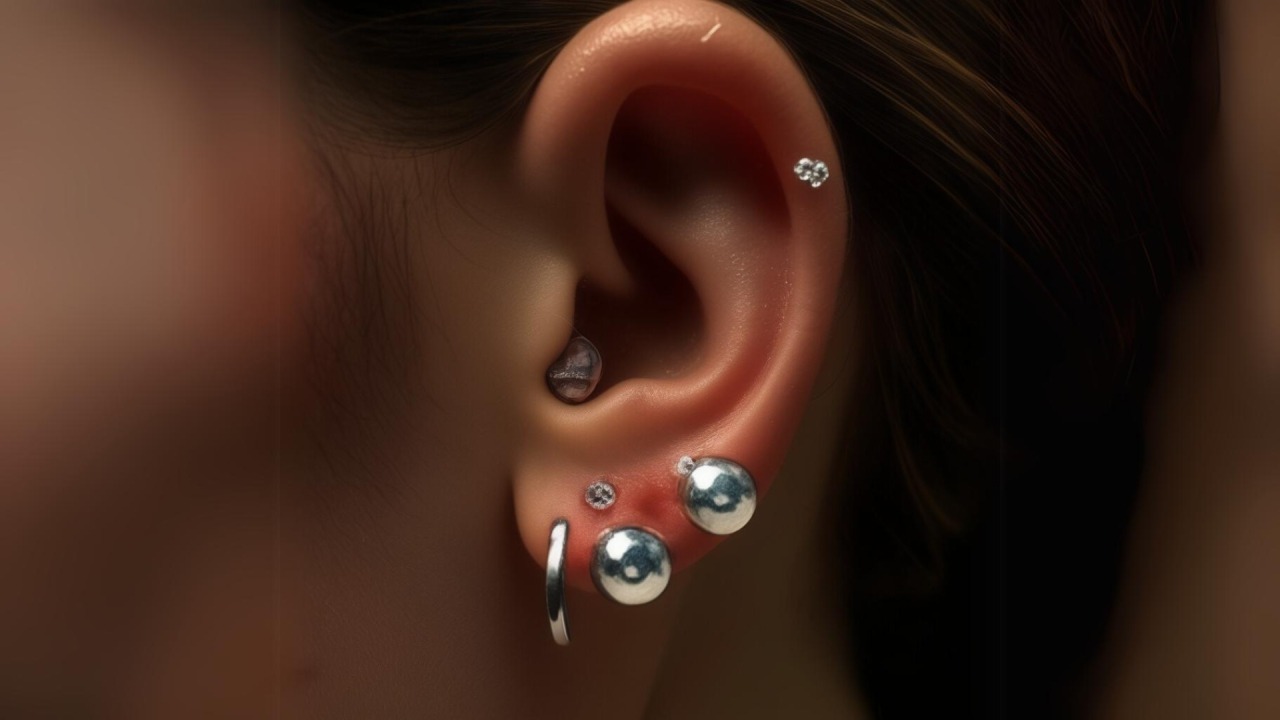
Abscess: An ear piercing abscess is a pus accumulation in a confined area, forming a painful lump near the piercing.
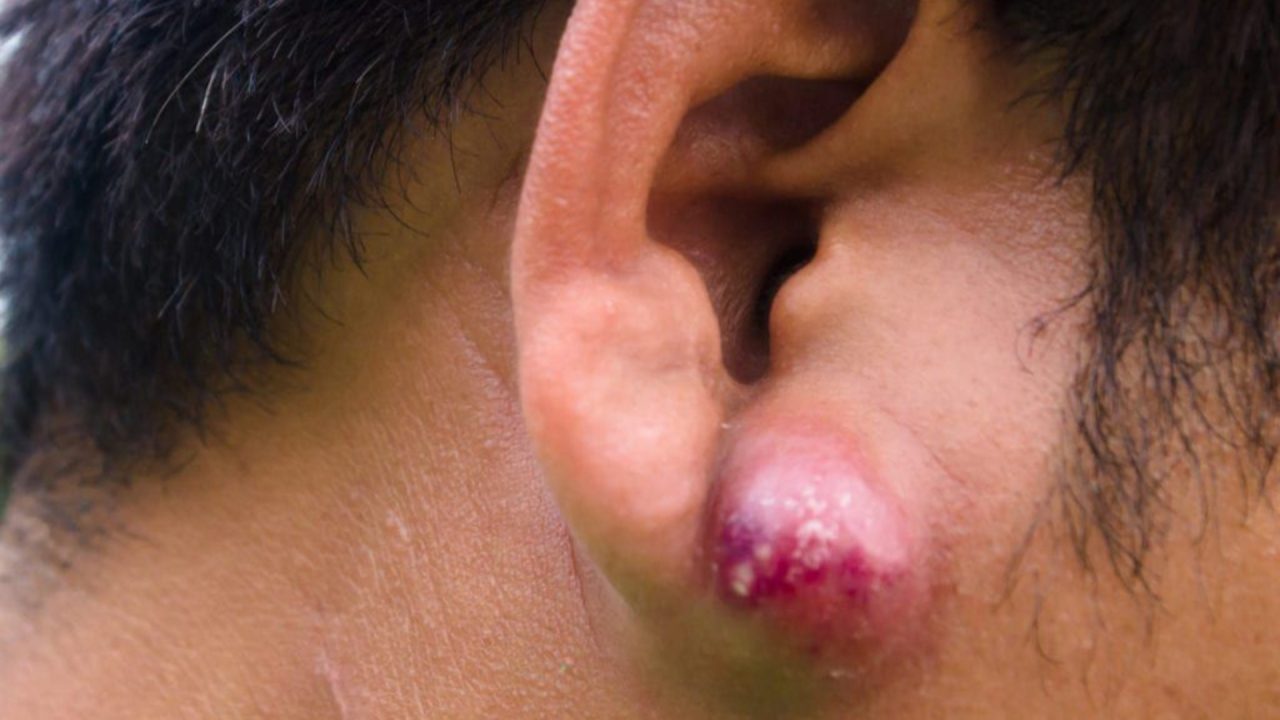
Keloid Formation: Excessive scar tissue growth, more common in individuals prone to keloids.

Systemic Infection: Rare but serious, with symptoms like fever, chills, and swollen lymph nodes. Seek immediate medical attention.
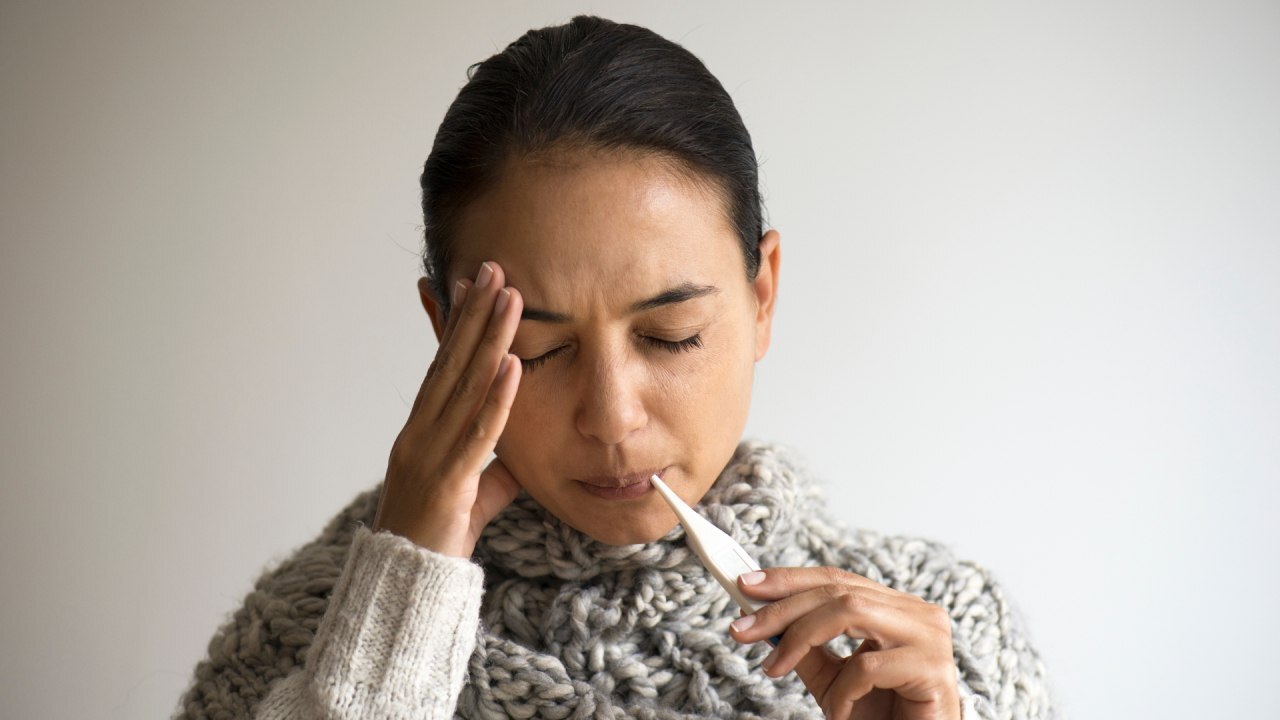
It's crucial to address infections promptly. Clean the area with saline solution and consult a healthcare professional if symptoms worsen or persist.
Can an Infected Ear Piercing Cause Headaches?
Infections from ear piercings can cause pain inside the ear or even headaches. This happens because the infection can spread, leading to inflammation and discomfort in surrounding areas. If you experience persistent pain or headaches, consult a healthcare professional for proper diagnosis and treatment.
What causes ear piercing infections?
These are some of the ways you may get ear piercing infection
- Touching your ear piercing with dirty, unwashed hands
- Use of unsterilized ear piercing equipment or getting your ear pierced in the unhygienic conditions
- Not keeping ear piercings all the time
- Not cleaning the ear piercings daily (dermatologists advise cleaning ear piercing twice a day)
- Bathing in open water like pool, tub, lake, etc. with ear piercing
How to Heal an Infected Ear Piercing? The Care Steps
Disclaimer: These tips are for general care. If symptoms worsen or involve cartilage, consult a healthcare professional.
Treating an infected ear piercing and learning how to heal an infected piercing requires consistency and gentle care. These proven steps help control infection, reduce irritation, and support proper healing. If your piercing is otherwise healthy, it also helps to know how long ear piercings take to heal so you can tell normal healing apart from a developing infection.
Clean the Piercing with a Saline Solution
Start by cleaning an infected ear piercing twice daily using a sterile saline solution or saltwater recommended for piercings. This helps flush out bacteria and reduces swelling without irritating the skin. Make sure not to make the solution too strong so it’s gentle on the delicate tissue around the piercing. After cleaning, pat the area dry with a clean, disposable paper towel rather than rubbing.
Does salt water prevent infection faster?
Yes, salt water has helped many people reduce infection risk, but make sure the solution isn’t too strong to avoid irritation.
Avoid Touching or Twisting the Jewelry
Constant touching spreads bacteria and delays healing. Only touch the piercing with clean hands, and avoid rotating or removing the jewelry unless advised by a professional.
Apply Antibiotic Ointment if Recommended
A thin layer of doctor-approved antibiotic ointment can help control bacterial growth. Avoid overuse, as excessive ointment may clog the area and slow healing.
Reduce Pressure While Sleeping
Sleeping on an infected piercing can worsen swelling and pain. Using a clean ear piercing pillow helps keep pressure off the ear, improves airflow, and prevents friction during sleep.
Seek Medical Help if Symptoms Worsen
Sleeping on an infected piercing can worsen swelling and pain. Using a clean ear piercing pillow helps keep pressure off the ear, improves airflow, and prevents friction during sleep.
Buy an ear piercing pillow for pain-free sleep
Should You Take Out a Piercing If It’s Infected?
In general, removing a piercing is not recommended without medical advice, as the hole may close and trap the infection inside. A healthcare professional can assess the severity and guide whether the jewelry should stay in place or be removed safely. This is especially important for cartilage piercings, which carry a higher risk of complications.
Which Is the Best Antibiotic Ointment for Ear Piercing Infection?
Disclaimer: The following information is for educational purposes only and is not a substitute for professional medical advice.
If you are searching for the best antibiotic for ear piercing infection, know that it is typically one recommended by a healthcare professional, such as mupirocin or bacitracin, depending on the infection's severity and type of bacteria involved. These ointments work by inhibiting bacterial growth, reducing inflammation, and supporting faster healing when applied correctly.
It is crucial to apply a thin layer sparingly to the affected area, avoid overuse, and follow the duration prescribed by a healthcare provider to minimize the risk of skin irritation or antibiotic resistance. Always monitor the piercing for worsening redness, swelling, or discharge, and seek medical attention if symptoms do not improve.
What Mistakes Make an Ear Piercing Infection Worse?
- Touching the piercing with dirty hands
- Popping or squeezing the infected area
- Removing jewelry too early during infection
- Using harsh or unapproved cleaning solutions
- Sleeping on the infected side without support
- Wearing tight or non-breathable headgear over the ear
Recommended: You might want to know ear piercing healing time so check this article now; how long do ear piercings take to heal?
Will an Infected Ear Piercing Heal on Its Own?
Some very mild irritation may improve with proper hygiene, but an infected ear piercing should not be left untreated. Without appropriate care, symptoms such as swelling, pain, or discharge can worsen. Seeking timely guidance from a qualified professional helps reduce risks and supports safe healing.
Use SleepEasy Ear Pillow for Better Sleep with Ear Piercings
Sleeping with ear piercing can be hard. You can’t lay on your side for long and the pain wakes you up many times a night.
We have a solution.
Try this dermatologist-created ear piercing pillow that works like a charm for sleeping with ear piercing without pain.
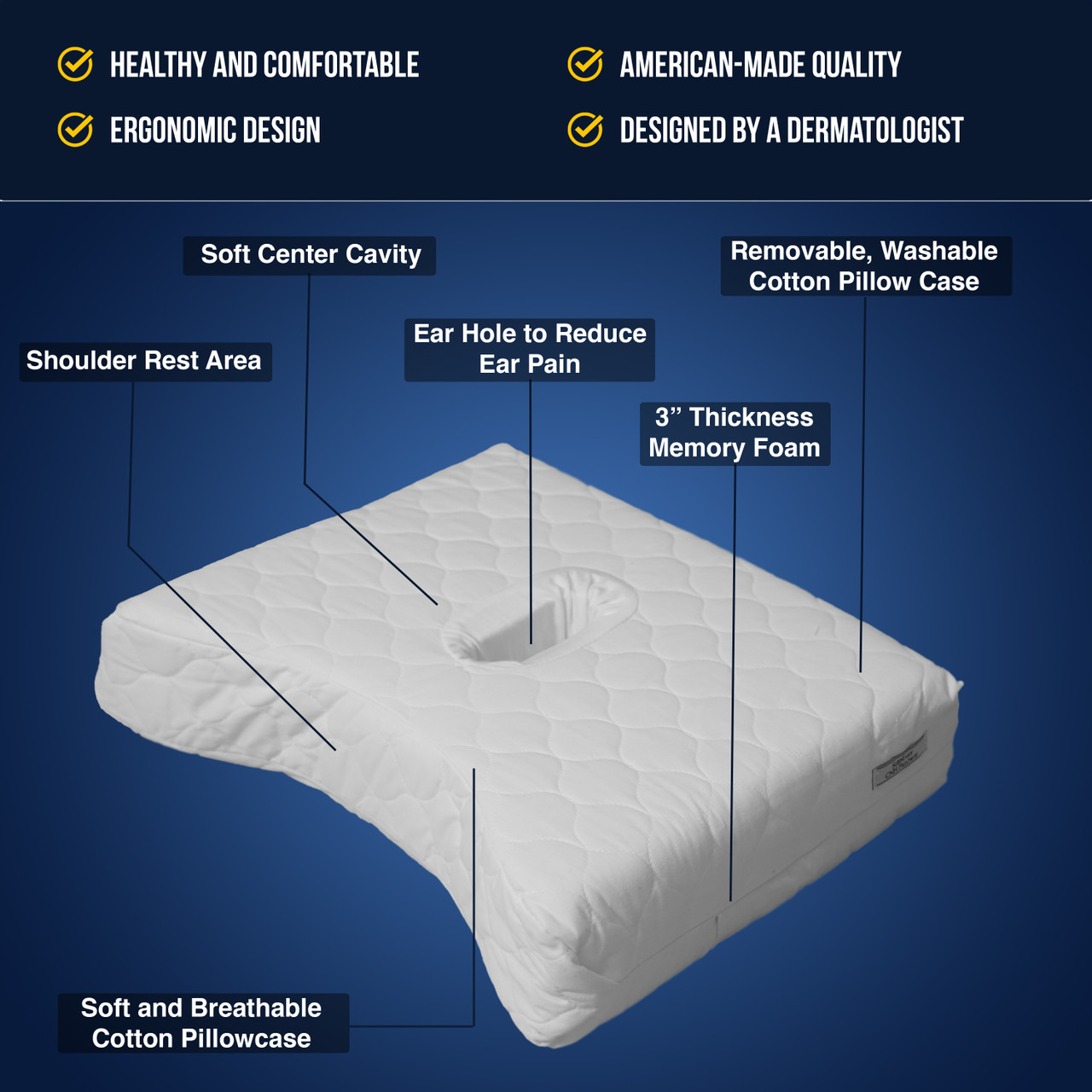
The ear piercing pillow creates a cushion between your ear and the bedding. Your ear doesn’t touch the bedding directly. There is no pressure on your ear. And you get better sleep with ear piercing and you heal better when you rest better.
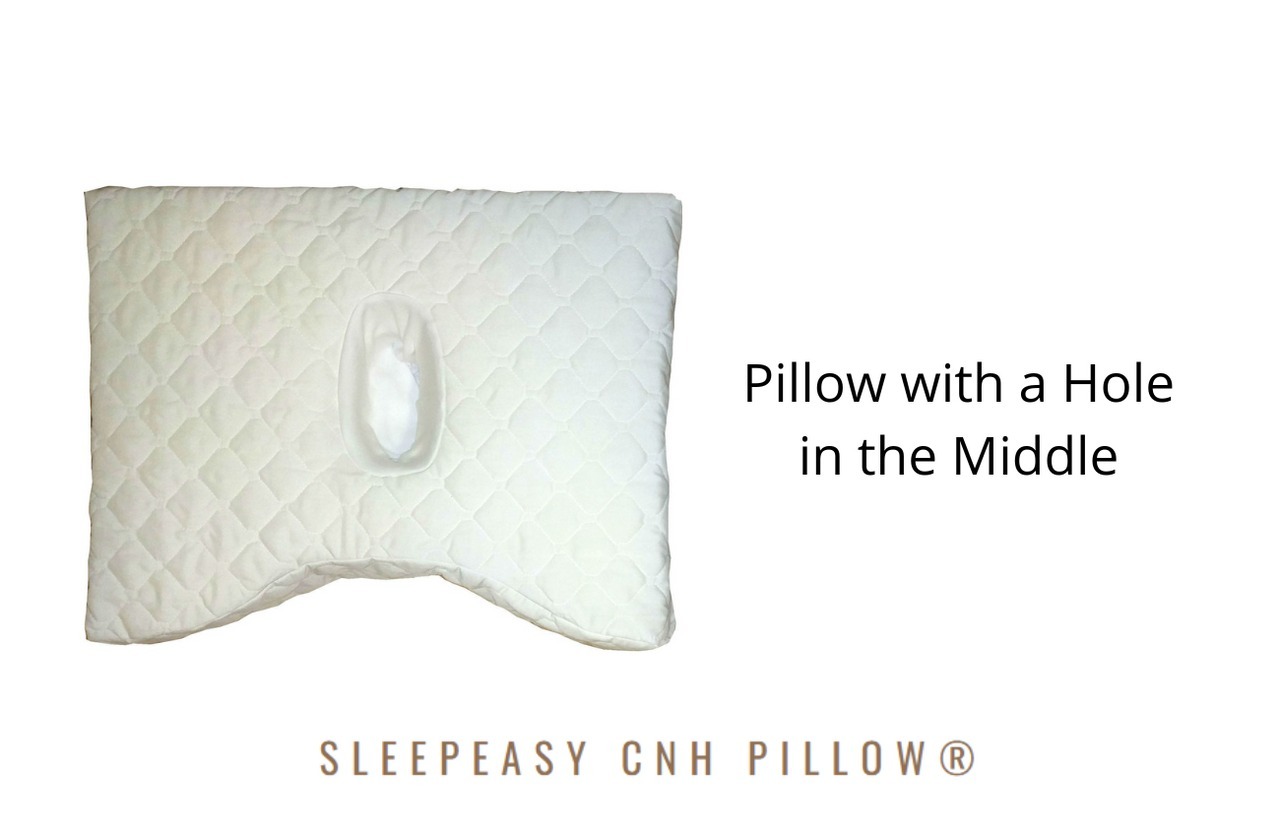
SleepEasy Pillow with a Hole in the Middle
Experience unparalleled comfort and relief from ear pain with our innovative pillow designed with a hole in the middle. SleepEasy Pillow with Hole in the Middle was conceived and designed by Dr. Cannon in the late 1980s. His source of inspiration was the plight of CNH patients who were side sleepers and couldn’t sleep well.
SleepEasy Pillow with a Hole in the Middle- 69.99
Buy NowEar Piercing Infection In Kids
Ear piercing in kids needs more attention on the parent's part.
Look for common ear piercing symptoms like fever, redness of the ear piercing area, swelling, and the redness is spreading.
For infants and toddlers, visit your doctor for any sign of the ear piercing infection.
The daily care instructions for ear piercings in kids include:
- Washing your hands or tell your kid to wash their hands with an antibacterial soap whenever you touch your kids' ears
- Clean the ear piercings twice a day
- Apply antibacterial ointment on the ear piercings
When should you call your doctor?
- When the redness is spreading beyond the ear piercing site
- When the kid has a fever
- The child looks very sick
- You think you need your kid to take to the doctor
Chances of Getting Affected by Ear Piercing Infection
A good number of the population gets piercings and a lot of people get ear piercings. However, only a small fraction of people getting ear piercings get an infection in their ear piercings. Here are the statistical results:
- Children: Approximately 20% of children with ear piercings experience infections.
- Teenagers: Around 15% of teenagers report ear piercing infections.
- Adults: About 10% of adults face ear piercing infections.
- Men: Roughly 8% of men get infected after ear piercings.
- Women: Approximately 12% of women experience ear piercing infections.
Citation: ( AAFP) (Cleveland Clinic)
The ear lobes are fatty and fleshy with generous blood flow. The earlobes heal quickly.
The earlobes heal quickly due to their blood flow, while cartilage, with less blood flow, takes longer to heal and is more prone to infection.
Disclaimer
The information provided in this blog is intended for general informational purposes only and is not a substitute for professional medical advice, diagnosis, or treatment. Always seek the advice of your physician or other qualified health provider with any questions you may have regarding a medical condition or treatment.
Frequently Asked Questions
How do you know if your piercing is healing?
Ear piercing takes 6-9 weeks to heal. The healing symptoms are reduced ear piercing pain, no more fluid discharge, no more substance buildup, and no redness in the ear piercing area.
How to tell if the earlobe piercing is healed?
The signs of healing earlobe piercing are soft earlobe as you had before the piercing without any discharge of fluid, no pain, and no build-up on the earlobe piercing.
How to know when cartilage piercing is healed?
Ear cartilage piercings take longer to heal. Your ear cartilage piercing can take anywhere between 6-9 months to fully heal. You know your ear cartilage has healed when you have no pain, no discharge, no swelling or redness and no soreness.
How can I get good sleep with pierced ears?
Sleeping with ear piercings can be a challenge. When your ear gets pressed or squeezed, it causes pain and disrupts your sleep. If you frequently experience ear pain from sleeping on your side, understanding the causes and ways to reduce pressure can help improve your comfort. We know that insufficient sleep can affect the immune system and may slow ear piercing healing, so using a piercing pillow can help you sleep comfortably while protecting your new piercing.
How to clean piercing with antibacterial soap?
Use mild antibacterial soap. Don't use antibacterial soaps with perfumes. You can also use liquid antibacterial soaps like Lever 2000. Clean your ear piercing with antibacterial soap in these steps.
- Make some foam with the soap on your hands.
- Apply the foam to your ear piercing.
- Leave it on for at least 15 seconds.
- Wash it with water.
- Tap dry with tissue or cotton.
How much salt to use to clean piercings?
For one cup of warm water, distilled or boiled, use 1/4th to 1/8th of a teaspoon of the sea salt. Don't add extra salt as it may cause irritation.
How to relieve itchy piercing?
Simply washing your ear piercing regularly with saline water or antibacterial soap solution, and applying antibacterial ointment or cream will alleviate the itchy piercing pain and discomfort.
How long for lobe piercings to heal?
Lobe piercings are the quickest to heal. On average, a lobe piercing will heal in 6-9 weeks considerably or completely within 3 months.
Disclaimer for CNH: This health information is for educational purposes only. You, the reader, assume full responsibility for how you choose to use it.
Will an infected ear piercing heal on its own?
An infection may not always resolve on its own. If you suspect an infection, clean the area with saline solution and see a healthcare professional if symptoms persist.
Should I take my earring out if it's infected?
Removing the earring can trap the infection. Clean the piercing with saline solution, and consult a professional for guidance on whether to remove the jewelry.
How do you treat an irritated piercing?
Clean the piercing with saline solution, avoid irritating substances, and ensure proper aftercare. If irritation persists, consult with your piercer or a healthcare professional.
How can I make my piercing heal faster?
Promote healing by maintaining good hygiene, cleaning with saline solution, avoiding trauma, and following proper aftercare instructions. Consult your piercer if you have concerns about healing progress.