
Are Memory Foam Pillows Good for Neck Support and Better Sleep?
Jan 31st 2026
Memory foam pillows are highly beneficial for your neck and sleep comfort, but their effectiveness depends on choosing the right one for your body and sleeping style. Unlike traditional pillows, memory foam molds to the natural curves of your head and neck in response to your body heat and weight,
Many memory foam pillows also feature cooling gel layers or ventilated designs to improve airflow and prevent heat buildup, which is a common issue with dense foam. Factors such as pillow height, firmness, and your preferred sleeping position play a crucial role in ensuring optimal support and comfort. Read on to explore the detailed benefits, potential drawbacks, and expert tips.
Key Highlights
- Memory foam pillows provide ergonomic support, relieve pain, reduce pressure points, are hypoallergenic, durable, and improve overall sleep quality.
- Memory foam pillows can retain heat, have an initial odor, feel too firm for some, and are more expensive than traditional pillows.
- Choose the right memory foam pillow by considering your sleeping position, desired firmness, loft, and any specific pain or allergy concerns.
First, know properly what a Memory Foam Pillow is
A memory foam pillow is a type of pillow made from viscoelastic foam, a material originally developed by NASA for its pressure-relieving properties. Unlike traditional pillows, memory foam reacts to your body heat and weight, allowing it to contour to the natural curves of your head and neck. This helps maintain proper spinal alignment, reduces pressure points, and can prevent stiffness or soreness during sleep.
Because of these qualities, memory foam is also considered one of the top 10 CNH pillow types for comfort and support. The combination of personalized support and durability makes memory foam a unique option compared to standard pillows.
Is the Memory Foam Pillow Still Popular?
Yes, memory foam pillows continue to be popular among sleepers worldwide, thanks to their ability to provide targeted support and improve sleep comfort. Many users prefer them for their long-lasting shape retention, pressure relief, and adaptability to different sleeping positions. In particular, a memory foam pillow for arthritis relief has gained attention for its ability to reduce neck and joint stiffness, offering extra comfort for those with chronic pain.
What Are the Memory Foam Pillow Benefits?
Below, we break down the most important benefits of memory foam pillows and answer commonly asked questions from users.
1. Relieves Neck and Shoulder Pain
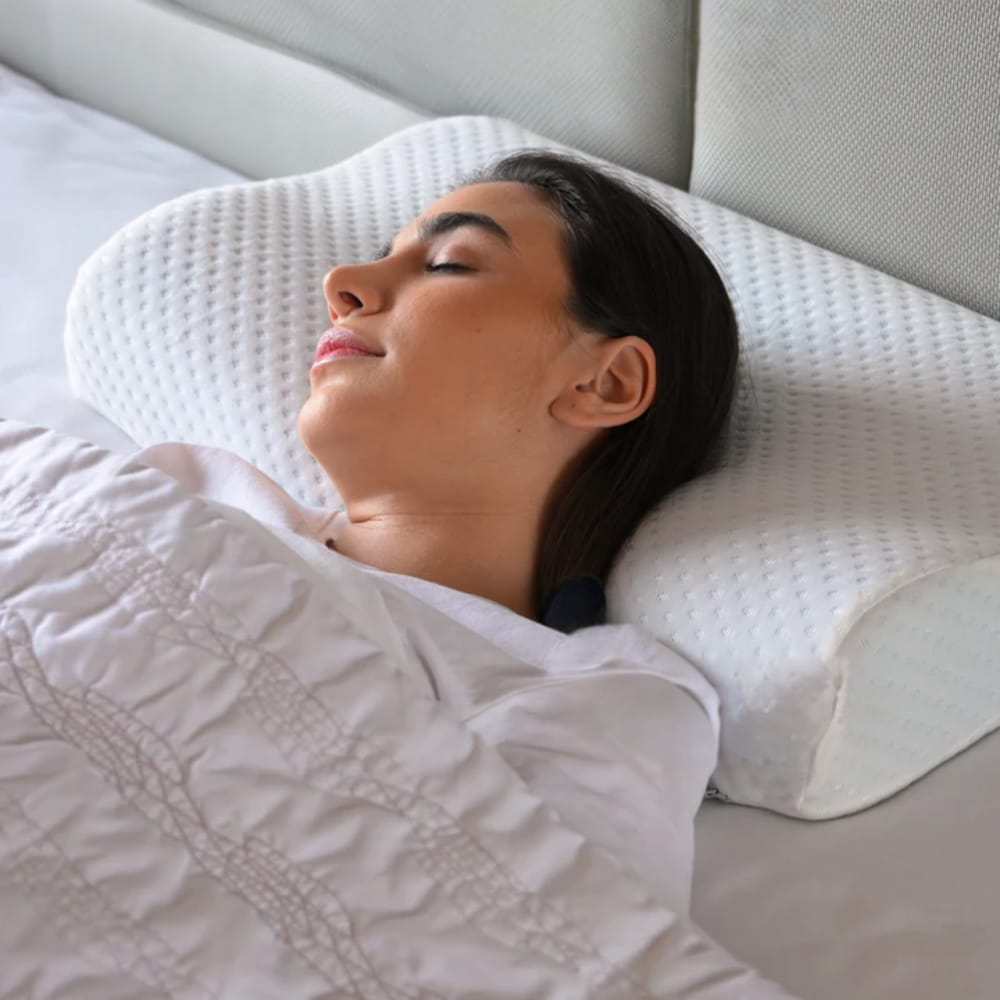
Memory foam pillows are particularly beneficial for people who experience neck or shoulder discomfort. Conforming to the natural curves of your cervical spine, they help maintain proper alignment and reduce strain on the muscles and ligaments. This support not only alleviates pain while sleeping but can also prevent long-term issues caused by poor posture or traditional pillows that do not provide adequate support. Many users report waking up feeling less stiff and experiencing fewer aches in the neck and upper back after consistent use.
- Contours to the head and neck to maintain spinal alignment.
- Reduces tension in neck and shoulder muscles.
- Minimizes pressure points that can lead to stiffness or discomfort.
Can memory foam pillows help with chronic neck issues?
Yes, a high-quality memory foam pillow provides stable support for individuals with chronic neck tension, mild cervical problems, or muscle strain. Consistent use can reduce morning stiffness and improve overall comfort.
How to choose the right firmness for neck pain?
Medium-firm pillows are generally recommended to provide enough support without creating additional pressure on the neck or shoulders.
2. Provides Relief for Arthritis and Joint Pain
Memory foam pillows can also benefit individuals with arthritis or joint discomfort. A memory foam pillow for arthritis relief conforms to the body, reducing pressure on sensitive areas, improving blood circulation, and helping prevent stiffness in the neck, shoulders, and upper back. People with mild arthritis often notice reduced soreness in the morning and improved mobility during the day.
Can they help with morning stiffness?
Yes, consistent use of memory foam pillows often results in less stiffness upon waking, especially for those with mild arthritis or joint discomfort.
Are they helpful for shoulder pain as well?
Yes, by keeping the shoulders aligned with the spine, memory foam pillows reduce strain and pressure that can exacerbate shoulder pain.
What pillow features are best for arthritis sufferers?
- Contoured or cervical designs to maintain proper alignment.
- Medium-firm density to support without creating extra pressure.
- Cooling or ventilated layers to enhance comfort.
3. Hypoallergenic and Hygienic
Memory foam is naturally resistant to dust mites, mold, and bacteria, making it a safe choice for allergy-prone users. Many memory foam pillows come with removable, washable covers, making maintenance easy and helping to ensure a cleaner sleep environment.
Are memory foam pillows safe for allergy sufferers?
- Resistant to dust mites, mold, and bacteria.
- Reduces allergic reactions for sensitive individuals.
- Many models include washable covers for added hygiene.
How should a memory foam pillow be cleaned?
- Wash the removable cover regularly.
- Wipe the foam with a damp cloth; avoid soaking it.
- Keep the pillow dry and ventilated to prevent moisture damage.
To know about this in detail, we suggest you explore our detailed article on: Can you wash memory foam pillows?
4, Long-Lasting and Durable
Memory foam pillows are known for their durability and ability to maintain shape over time. High-density foam retains its contour longer than traditional pillows, providing consistent support for 2–4 years, depending on use and quality. Proper care can extend the pillow’s lifespan, making it a worthwhile investment.
How long does a memory foam pillow last?
- Typically 2–4 years with regular use
- High-density foam retains shape and support longer than standard pillows.
- Improves Overall Sleep Quality
Memory foam pillows can significantly enhance sleep quality by providing consistent support and reducing disturbances during the night. By distributing weight evenly across the head and neck, they minimize pressure points and prevent the tossing and turning that many people experience with traditional pillows.
- Even weight distribution reduces pressure and discomfort.
- Provides stable support to keep muscles relaxed throughout the night.
- Cooling and ventilated designs prevent overheating and sweating
Which sleeping positions benefit most from memory foam?
Side and back sleepers see the most improvement, but some stomach sleepers may require a lower loft or softer pillow to avoid neck strain.
Can it help reduce tossing and turning at night?
Yes, consistent support and comfort help reduce movement, allowing the body to stay in a natural, relaxed position for longer periods.
Are memory foam pillows good for improving deep sleep?
By relieving pressure and maintaining alignment, memory foam pillows can help the body achieve a deeper sleep stage, promoting better rest and recovery.
Experience better sleep with SleepEasy CNH Pillows!
What are the Disadvantages of a memory foam pillow?
While memory foam pillows offer many benefits, they are not perfect for everyone. Some users may experience issues depending on their sleeping style, preferences, or sensitivity to materials. Below are the main drawbacks.
Can Retain Heat
Memory foam tends to retain body heat, which can make sleeping uncomfortable for some people, especially in warm climates. Even with ventilated or gel-infused options, heat retention can be noticeable.
- Side note: Look for pillows labeled “cooling gel” or “ventilated” to minimize this issue.
Initial Odor (Off-Gassing)
New memory foam pillows may emit a temporary chemical smell when first unpacked. This is called off-gassing and is harmless but can be unpleasant.
- Recommended: Leave the pillow in a well-ventilated room for 24–48 hours before use.
Firmer Feel May Not Suit Everyone
Some users find memory foam pillows too firm or dense, which can feel uncomfortable if they prefer softer support.
- Tip: Check for softer or adjustable memory foam options, especially if you sleep on your stomach or have a sensitive neck.
Higher Cost Compared to Traditional Pillows
Memory foam pillows tend to be more expensive than standard fiber or polyester pillows, though their durability often justifies the cost.
- Tip: Look for high-quality brands with warranty coverage for longer-term value.
Are There Any Alternatives to Memory Foam Pillows?
If memory foam isn’t the right fit, several alternatives can provide comfort and support. Here’s a comparison table:
| Pillow Type | Pros | Cons | Best For |
|---|---|---|---|
| Down Pillow | Soft, plush, lightweight | Less support, flattens quickly | Side/back sleepers preferring softness |
| Feather Pillow | Moldable, supportive, breathable | May poke or flatten, allergens possible | Side/back sleepers |
| Latex Pillow | Supportive, hypoallergenic, durable | Can be firm, heavier than memory foam | Neck support, allergy-prone users |
| Buckwheat Pillow | Adjustable, firm, keeps shape | Can be noisy, heavy | Back/side sleepers, natural option |
| Polyester/Fiber Pillow | Affordable, lightweight, hypoallergenic | Less supportive, flattens over time | Budget-friendly, temporary use |
How to Choose the Right Memory Foam Pillow
Choosing the right memory foam pillow involves considering your sleeping position, health needs, and personal comfort. Follow these steps:
Determine Your Sleeping Position
- Side sleepers may need a higher loft to align the neck.
- Back sleepers benefit from medium-loft pillows.
- Stomach sleepers need thinner, softer pillows to prevent neck strain.
Select the Right Firmness
- Medium-firm is usually ideal for general neck support.
- Soft memory foam may suit stomach sleepers or those who prefer a plush feel.
- Firm options provide extra support for side sleepers or individuals with neck pain.
Consider Special Features
- Cooling gel layers or ventilated designs for temperature control.
- Hypoallergenic materials if you have allergies.
- Contoured or cervical designs for enhanced neck support.
Check Pillow Size and Height
- Match pillow height (loft) to your shoulder width and mattress type.
- Adjustable or shredded memory foam pillows can be customized.
Test and Evaluate
- If possible, try before buying or check return policies.
- Ensure the pillow provides comfortable support without causing strain.
Are Memory Foam Pillows Safe for Children?
Yes, memory foam pillows can be safe for children if the right type and size are chosen. A thinner, low-loft pillow provides gentle support for a child’s head and neck, preventing improper alignment. It’s important to select pillows made from hypoallergenic and non-toxic materials, as children are more sensitive to allergens and chemical odors. The correct pillow can help promote better sleep, reduce neck strain, and support healthy growth.
Can Memory Foam Pillows Improve Posture?
Yes, memory foam pillows can help improve posture by keeping the neck and spine properly aligned during sleep. Proper alignment reduces strain on muscles and prevents stiffness that can affect daytime posture. Contoured or cervical memory foam pillows provide targeted support where it’s needed, helping reduce neck tension and encouraging a more natural posture over time.
Conclusion
Memory foam pillows are an excellent option for those seeking neck support, pressure relief, and improved sleep quality. While they may have minor drawbacks such as heat retention or higher cost, choosing the right pillow for your sleeping style and personal needs can maximize benefits. Whether for arthritis relief, improved spinal alignment, or allergy protection, memory foam pillows remain one of the most popular pillow choices.
Frequently Asked Questions
Are memory foam pillows good for all sleeping positions?
They are most suitable for side and back sleepers. Stomach sleepers may require a thinner, softer pillow.
How long should a memory foam pillow last?
High-quality memory foam pillows typically last 2–4 years with proper care.
Can memory foam pillows help with neck stiffness?
Yes, by contouring to the neck and head, they relieve pressure and reduce stiffness over time.
Do memory foam pillows sleep hot?
Traditional dense memory foam may retain heat, but ventilated or gel-infused pillows minimize this issue.
Are memory foam pillows hypoallergenic?
Most are resistant to dust mites and mold, and many come with washable covers for better hygiene.
Can memory foam pillows be washed?
The foam itself should not be submerged. Wash only removable covers and spot-clean the foam with a damp cloth.
Are memory foam pillows actually better?
Yes, specially designed memory foam pillows help reduce pressure on sensitive joints and improve comfort.
Is it healthy to sleep on a memory foam pillow?
New pillows may have a slight off-gassing odor for 24–48 hours but are safe to use after airing out.